Dental Crowns and Bridges: Modern Solutions for Damaged and Missing Teeth

Dental-Crowns-and-Bridges

A broken or missing tooth can make it hard to eat, speak, and smile without worry. Today’s dentistry has many ways to fix teeth. Dental Crowns and Bridges are two choices that help make teeth work better and look better. They can also help keep teeth strong and close any spaces that are not wanted.

How do these treatments work?. Which one might be right for you? Let’s look at what they do, the things about them, and the main differences between them.

Dental crown treatment for damaged teeth

A damaged tooth may not always need to be removed. When a filling cannot provide support, a crown may help cover and protect it. Dental Crown Treatment may be considered for teeth with areas of decay, cracks, worn surfaces, or after root canal care.

A crown fits over a tooth. It restores shape and supports biting and chewing. Your dentist will check the tooth. Discuss the material and care plan that suits your needs.

Dental bridge treatment for missing teeth

A gap can affect more than your smile. It might make it harder to chew or change how your teeth fit together. Dental Bridge Treatment can fill the space by replacing one or more missing teeth with an artificial tooth. A traditional bridge is held in place by using the teeth on either side of the gap as support. In some situations, the bridge may be supported by implants instead.

Your dentist will look closely at the teeth and gums around the gap. The treatment plan will depend on the size of the gap and your overall oral health.
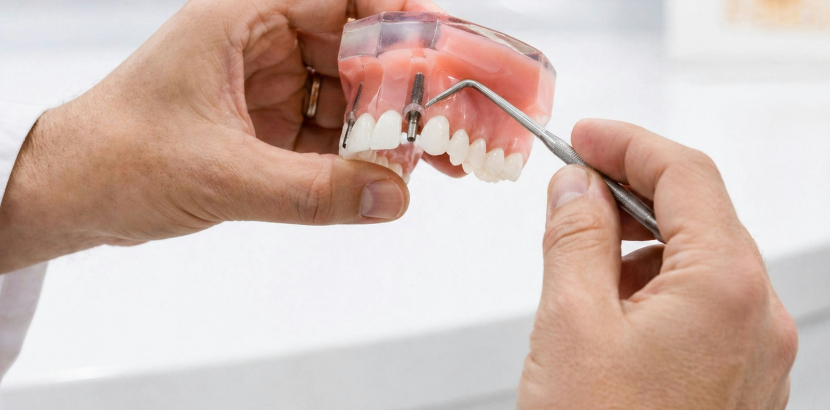
Dental-Crowns-and-Bridges

Care for damaged teeth and missing teeth

Early attention helps you avoid leaving a problem untreated. If you have a filling, a cracked tooth, or a space where a tooth is missing, ask about Damaged Teeth Repair and Missing Teeth Solutions. Seek care if you feel pain, swelling, or have trouble chewing.

After Damaged Teeth Repair, keep your teeth and gums clean. Brush twice a day and clean between your teeth as your dentist advises. Go to regular dental checkups. Also avoid chewing objects that might damage your dental work. Daily care keeps your restoration lasting.

Understanding your restoration options

Dental Crowns and Bridges are options for restoring damaged and missing teeth. Crowns protect teeth, while Bridges fill gaps left by missing teeth. Both can make chewing easier. Help with daily mouth work. With care and regular dental checkups, Dental Crowns and Bridges can stay in good shape for many years. Patients at Preferred Dental Care Davie can learn about Dental Crowns and Bridges treatment options. Understand which Dental Crowns or Bridges approach may best suit their dental needs.

Things to Know Before Dental Treatment

Yes. A dental crown covers the damaged part of a tooth and helps protect it from further wear or breakage. However, good oral hygiene is still important to keep the tooth healthy.

Their lifespan depends on the material, oral health, and daily care. Regular dental visits and good oral hygiene can help maintain them.

Yes, most patients can return to their usual eating habits once they adjust to the bridge. However, it is better to start with soft foods and avoid very hard or sticky foods at first.

Healthy gums help support the teeth that hold a traditional bridge. Therefore, your dentist may recommend treating gum problems before starting Dental Bridge Treatment.

Pain, swelling, unusual sensitivity, a loose restoration, or discomfort while chewing may indicate a problem. Therefore, contact your dentist if you notice these changes.

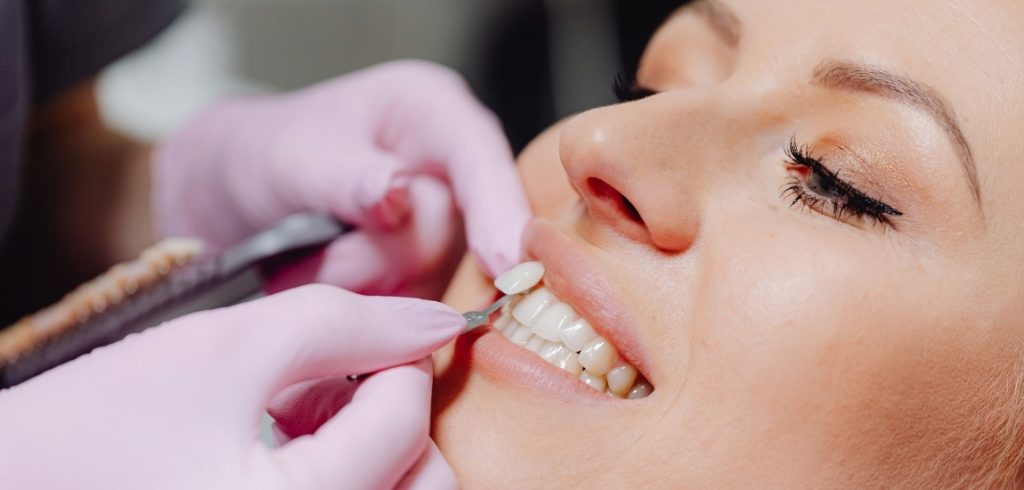
How AI Is Improving Modern Dentistry

dental-treatment-care

AI, in Modern Dentistry is changing the way dentists care for patients. Today dentists use tools to check teeth plan care and study dental images. Also modern dental technology helps dentists get information. As a result dental care can be more organized and precise.

How AI in Modern Dentistry Helps With Dental Checks

AI can help dentists look at images. For example AI can study X‑rays and dental scans. AI may point out areas that need attention.

However AI does not replace the dentist. Instead AI gives dentists information. The dentist then checks the results. Decides what care is needed.

AI and Digital Dental Scanning

Digital scanning has become a tool, in todays world. An intraoral scanner can capture a picture of your mouth without the materials that were used for old impressions.AI also plays a role. It can sort out the 3- pictures of the teeth so that they are easy to view.

With this data dentists can plan treatments accurately. Digital scanning gives dentists a map of the teeth.

Better Treatment Planning With AI

Dental treatment often requires types of information. AI tools can help dentists review this information. For example AI tools can work with images and digital scans.Also dentists can look at records during treatment planning. As a result dentists can get a view of the teeth and mouth.

AI, in dentistry can support this process. Still the dentist makes the treatment decisions.

Dental-care-treatment

AI in Dental Restorations

I see that AI is also being used in restoration work. Digital tools can help design crowns, bridges and other restorations.

Moreover modern dental technology can work with CAD/CAM systems. These systems help create designs, for dental restorations but the dentist and dental lab team still check the final work.

More Personalized Dental Care

Every patient is different. Therefore, dental care should fit each person’s needs.
AI can help dentists review digital images and records. It may also help find patterns in the data. This can support treatment planning.
However, the dentist’s exam is still very important. The dentist uses their training and the patient’s needs to choose the right care.

What Patients Can Expect From AI Dentistry

AI does not make dental care fully automatic. Instead it works with dentists and other digital tools.

For example patients may see digital scans and advanced imaging. They may also have computer-assisted treatment planning.

As modern dental technology grows these tools may become more common. However dentists will continue to guide care.

Final Thoughts

I see AI in Modern Dentistry bringing tools into dental care. AI, in Modern Dentistry can help with imaging, digital scanning, treatment planning and restorations.

At the time modern dental technology keeps improving. These tools can help dentists work with digital information. Importantly the dentist remains at the center of patient care.

Frequently Asked Questions

How does AI help dentists?

AI can help dentists analyze digital images and organize information. It can also support treatment planning and digital dental workflows.

AI can help process digital information and support treatment planning. The dentist uses this information along with an examination and clinical judgment.
AI tools used in dentistry are designed to support dental professionals. Their appropriate use depends on the technology, clinical setting, and professional oversight.
Some digital workflows may help reduce certain manual steps. However, appointment time depends on the treatment, technology, and individual patient needs.

A Brief Dissection of Full Mouth Dental Implants Cost in 2023

Do you want to replace missing or damaged teeth? Dental implants are the best option to opt for. How much do full mouth dental implants cost? It is a fact that this procedure helps people maintain optimal oral health. Further, it protects the jaw bone strength. The long-term benefits of dental implants make them slightly more expensive than other procedures.

Factors Affecting the Cost of Implants

Dental implants are complex procedures involving several stages. Moreover, it is impossible to set a standard price. The simple reason is that no two implants are the same. First, the dental practice you choose can make a difference. For example, some reputed clinics may offer a complimentary CT scan for their customers. This 3D imaging procedure decides whether you are the best candidate for implants. Generally, this procedure costs around $500.

Here are the prominent factors that make an impact on the cost;

  • Price for the in-depth dental examination, including CT scan
  • Tooth extraction cost
  • The cost of installing full mouth dental implants
  • The fee for the abutment hardware installation
  • Dental crown fabrication expense
  • The fee charged for placing and adjusting the crown

These are the most prominent factors that influence full mouth dental implant costs. The materials used, your location, and additional procedures can also impact the total price. In addition, some people may need a bone graft or sinus lift to keep the jawbone healthy. So, this procedure also adds to the total cost.

How Much Full Mouth Dental Implants Cost?

The average implant cost for a single tooth ranges between $3000 and $5500. Do you have more than one damaged or missing tooth? Then, the multiple-tooth implant is the best option. Two implants can provide the best support to 3 or 4 adjacent teeth. Therefore, this implant-supported bridge is less expensive than inserting four implants. The cost of this procedure ranges between $6,000 and $10,000.

A full-mouth implant can be performed in different ways. The first option is individual replacement of teeth. In this case, the dentist retains some of the existing teeth. This procedure is the most expensive one. You may need to pay between $60,000 and $90,000 for these full-mouth implants.

Implant-supported denture is the second option available. The dentist removes the entire lower and upper teeth and replaces them with two full arches of false teeth. The arch is firmly secured to the upper and lower jaws using four to six implants. The price of this procedure varies from $24,000 to $50,000.

Additional Expenses

Dental implants, especially full-mouth rehabilitation, are lengthy procedures. Sometimes, the dentist may recommend prescription or over-the-counter medications, including antibiotics. These expenses can also be an addition to the overall cost.

Insurance Coverage for Full Mouth Dental Implants Cost

Currently, dental insurance does not cover the dental implant procedure fully. However, you can expect insurance companies to pay a portion of the total cost. Most insurance providers offer $1,500 per implant per year.

Dental implants are not a temporary solution. This procedure is a lifetime investment that delivers the best value for money. So, don’t be overly concerned about how much full mouth dental implants cost. Identify a trustworthy dental practice that guarantees top-quality treatment solutions and excellent care. Reputed clinics offer a perfect blend of quality and affordability to deliver the best results.

Dental Implants for Seniors: Everything You Need to Know

Are you looking for authentic information on dental implants for seniors? Aging is inevitable. As you age, your dental health deteriorates. Aging makes you susceptible to tooth loss, decay, gum disease, and many other complications. Dental implants have emerged as a highly effective option for seniors to improve the function and look of their teeth.

An Overview – Dental Implants

Dental implants are a prosthesis dentists use to replace damaged, broken, or missing teeth. Many seniors undergo this treatment to improve their oral health and quality of life. What are implants? They are artificial structures made using a metal called titanium.

How is It Performed?

This dental procedure contains six stages. Let us explore these six stages to learn more about this dental procedure.

  • Initial Consultation
  • Placement of Implants
  • Healing and Recovery
  • Building Implant Restoration
  • Abutment Placement
  • Final Implant Restoration

Initial consultation

Senior people might be experiencing many health complications. So, the dentist will assess the overall health condition of the patient. After checking the medical records, the dentist will decide whether the patient is healthy enough to undergo a dental implant procedure.

If there are no significant health issues, the dentist will evaluate your oral health. The surgeon will ask you to take X-rays or CT scans to determine the most suitable placement for the implants. Look for an experienced dentist near me to develop a systematic treatment plan.

Implant Placement

Within 1 or 2 weeks of the initial consultation, the dentist will place the implant into the gum and jaw bone. Cleaning and stitching the surrounding area is essential to ensure fast healing.

Healing and Recovery Phase

This is the third phase of dental implants for seniors. The initial healing process may take 1 or 2 weeks. However, patients must wait 3 to 6 months to let the implant fuse or bond perfectly with the jaw bone.

Building Implant Restoration

Building implant restoration is a natural process. At the same time, you will have to visit the dentist a few times for follow-up appointments. As the healing process continues, the dental surgeon will take impressions of your implant, teeth, and gums. These images will help the dental technicians make the prosthetic or replacement tooth.

Placement of Abutment

The abutment is placed one or two weeks before the final appointment. It is the component that attaches to the implant. Further, the abutment works as a connector for the prosthetic crown.

Final Implant Restoration

Visit the dentist 1 or 2 weeks after the abutment placement for the final implant restoration. This is when the dentist attaches the custom-made replacement teeth to the abutment to complete the dental implant procedure.

Different Types of Implants

You can find various types of dental implants nowadays. The most popular options are:

  1. Endosteal
  2. Subperiosteal
  3. Zygomatic

Important Considerations

Dental implants are an invasive procedure. It can be expensive as well. So, choose this procedure only if it is affordable for you. The dentist will decide if you are a good candidate for this surgery. If you have gum disease, it needs to be solved before performing dental implants.

The deteriorating health of senior people may lead to pre-treatment surgeries. Sometimes, a bone graft may become unavoidable to restore the jaw bone. Another possible pre-treatment surgery is bone smoothing. Based on the current oral and overall health, the pre-treatment surgery phase may last between 3 and 12 months.

Vital Benefits of Dental Implants for Seniors

Improved appearance is one of the most vital benefits of dental implants for seniors. That is to say, you can enjoy excellent cosmetic benefits. The sustainable results will make you more attractive and confident.
Other benefits include superior bone health, improved chewing ability, and better oral hygiene. This dental procedure also enhances your speech. You can expect long-lasting results. Overall, it transforms the dental health of senior people and improves the quality of life.

How Much Do Implants Cost?

The average cost of single-tooth dental implants for seniors is between $3,000 and $6,000. The cost of the implant-supported bridge that involves the replacement of 2 to 3 teeth may range between $4,000 and $16,000. You must pay $20,000 to $50,000 to replace all bottom or top teeth.

Is it a Safe Procedure?

Technological advancements have made dental implants for seniors a safe producer. Proper online research lets you find the best dentist near me to make this surgical treatment optimally safe.

Will Dental Insurance Cover the Cost?

It depends on what insurance you have. Further, the type of implant you undergo is also a critical factor. Most insurance companies do not offer the 100% cost of implants. However, you can find insurance plans that cover 50% of the cost of this procedure.

What is the Cheapest Way for Dental Implants for Seniors?

Look for dental clinics in Florida that offer a perfect blend of quality and affordability. Check with a few reputed clinics and compare their prices before choosing an affordable one.