

Veneers vs Bonding: Which Cosmetic Dental Option Is Best?
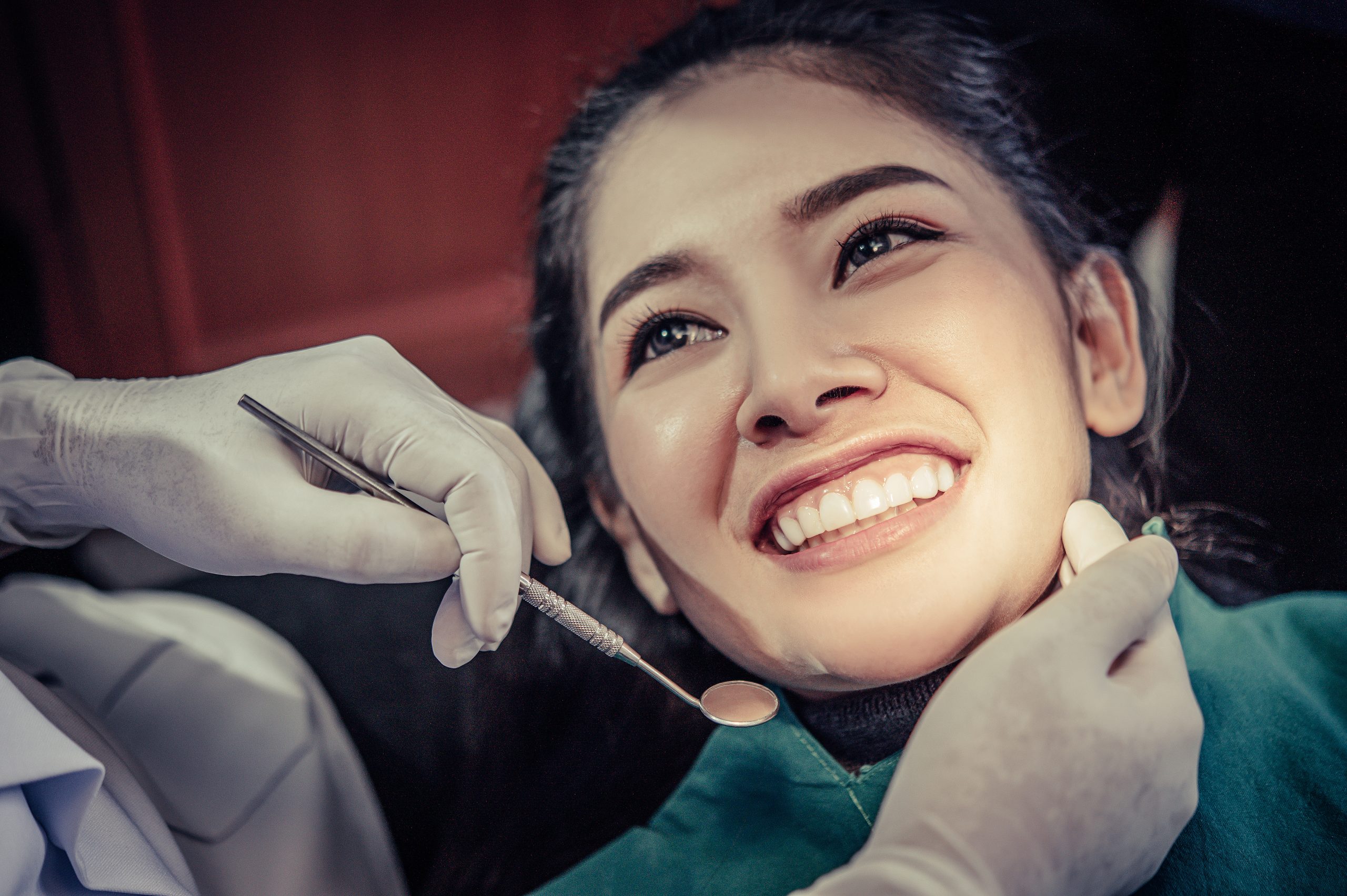
How Cosmetic Dentists Improve Teeth Look & Function
Sometimes, a smile puts you in a different atmosphere, and how you interact with people changes. However, potential flaws, such as color, position, and damage, may cause discomfort. A cosmetic dentist is one who focuses on the aesthetic of your dental and, at the same time restores the functionality of the teeth. Their approach through a modern outlook to dental healthcare means they can fix your dental problems while making sure your smile looks as beautiful as it should. It is now time to discuss how those treatments impact your smile and dental performance.
What Is Cosmetic Dentistry?
Cosmetic dentistry services not only enhance the look but also treat and prevent dental damage. Be it a simple teeth whitening procedure or implant, these services are made according to the required specifications. Cosmetic dentistry and modern techniques yield your smile to be that of aesthetic nature and structural strength.
How Cosmetic Dentists Enhance the Appearance and Function of Teeth
- Correcting Discoloration and Enhancing Brightness
Some causes of discoloration of the teeth include stained teeth that may hamper the smile you need. A cosmetic dentist provides you with professional teeth cleaning to regain its normal shine. This procedure is fast and effective, and the result will be durable. For severe staining, veneers may be utilized to produce a perfect appearance.
- Repairing Chips, Cracks, and Gaps
Basically, any broken, chipped, or missing tooth can make the smile look bad and be less useful. Repairing chipped and cracked surfaces well is possible with cosmetic work like bonding and veneers. Bonding fills a hole in your teeth with a clear plastic resin that matches the color of your other teeth and veneers. This gives your teeth and veneers a smooth, shiny finish that looks good and is strong.
- Aligning Teeth for a Perfect Smile
Having your teeth out of place can make it hard to chew and speak. With braces, clear aligners, or veneers from a cosmetic dentist, you can fix problems with your teeth’s alignment. These things do more than just make your teeth look better. They keep your mouth healthy by keeping cavities and gum disease at bay.
- Enhancing Overall Oral Functionality
In addition to aesthetics, a cosmetic dentist ensures that cosmetic dentistry treatments make your teeth work better. Treatments such as crowns and inlays build up compromised teeth so that they are fit to withstand everyday use. These treatments also prevent any further harm to maintain good oral health.
Conclusion: Transform Your Smile with a Cosmetic Dentist
A cosmetic dentist does not just make your smile beautiful; they make it functional and healthy. By choosing from a variety of cosmetic dentistry options, you can achieve the smile makeover of a lifetime. Contact a reliable cosmetic dentistry service at once to discuss your best solutions. As this, you can stand to get a glowing and fully functional set of teeth out in the open!
How DIY Teeth Whitening Could Mess Up Your Bright Smile
Who doesn’t want whiter, brighter teeth? The teeth-whitening buzz has been there for years. And you won’t be surprised to know about its constantly growing popularity. Now comes the question: is DIY teeth whitening worth it? Let’s discuss that to help you gain clarity on the truth. Read on.
Understanding the Science Behind Teeth Whitening
Drink and food stains will always bother your teeth. However, since stains can be either extrinsic or intrinsic, polishing and scaling alone may not be effective. In such cases, you can opt for micro-abrasion and teeth whitening. It combines the use of cosmetic dentistry, controlled chemicals and micro-abrasive materials. But what can you expect from it?
- Teeth whitening may remove stains on the outside.
- It can bleach your tooth from within.
- You can experience whiter teeth after the replacement of the original structure.
A List of Your DIY Teeth Whitening Favorites
You may hear a lot about DIY teeth whitening methods. We have a few names that are popular on the Internet. Our list includes kaolin clay, activated charcoal, apple cider vinegar, baking soda and fruit peels. Like many people, you might want to try one of these to see the results for yourself. But do you know they can become the cause of tooth damage?
A Toothful of Trouble: Why DIY is a Bad Idea
Erosion Problems– Chemicals and acid can damage the tooth structure and cause erosion. And you won’t believe the aftereffects. Like what? After the dentine and enamel layers strip away, you may experience tooth sensitivity. And tooth enamel erosion would push you toward a complex treatment.
Tooth Abrasion– Do you depend on activated charcoal for whiter teeth? It’s time to know its harmful effects causing tooth abrasion. But you can control abrasion only with trusted dentists. That’s because teeth whitening services lower the chances of damage to your tooth surface.
The Possibility of Harm– While DIY teeth whitening might seem a quick and easy solution, it’s important to be cautious and not get swayed by common misconceptions. Instead, always take precautions and ask a health expert first. A few of these DIY methods can cause problems like gastric upset and mouth ulcers.
The Cycle of Risk– How would it feel to keep making the same mistake over and over? Likewise, people repeating the DIY methods increase the chances of severe tooth damage. As a result, they trap themselves in this risky cycle, only to eventually end up at the dentist.
Final Word: Invest in a Teeth Whitening Service
Despite the allure of DIY teeth whitening methods, the reality is that they can have serious side effects. By avoiding these risky practices and opting for professional dental services, you can achieve a whiter, brighter, and safer smile.
Implant Denture Service vs. Dental Implants Service
Implant denture service or implant – which is better and what are the differences
Implantation brought prosthetics to a fundamentally new level. Awesome aesthetics are achieved, and the physiological processes of the dentition are restored. What is the difference between implantation and prosthetics or implant denture service? The fundamental difference is that in the first case, the prosthesis is attached to dental implants, and in the case of classical prosthetics, to the patient’s living teeth. Due to this, prosthetics on implants have a number of undeniable advantages:
- Healthy patient teeth are maintained. When installing the implant does not require turning and removal of the nerves of adjacent teeth.
- Reliable fixation of the implant denture or prosthesis is ensured even in case of a complete absence of teeth.
- The implanted implant functions as a natural tooth, providing a chewing load on the bone and thereby preventing bone atrophy.
- It becomes possible to install a conditionally removable prosthesis to replace the entire dentition or complete implantation of teeth using bridge prostheses.
- The service life of prostheses on implants is increased several times.
Implant Dentures
With this concept, they refer to removable prostheses, that is, those that the patient withdraws to brush their teeth or sleep.
PROS:
Removable: They are removed and the mouth and prosthesis can be cleaned separately.
Economic: It is always a cheaper option than implants.
Fast: Only 4 to 5 appointments are needed for its elaboration. That is, in a month they can be ready.
Dental Implants
Dental implants are attachments like artificial roots that integrate into the bone, functioning in a healthy and natural way with the rest of the teeth.
PROS:
Fixed: It is an attachment that is completely osseointegrated into the bone functioning just like natural teeth.
Stop bone loss: Once the implant is placed, it stops the bone loss that area may have suffered.
Comfort: They work just like natural teeth, so you can eat and smile without worries.
Also read: Dental Crowns and Bridges Service for Substitution of Your Original Teeth
Which is better to get implant denture service or dental implant in terms of price?
The biggest cost item in dental implantation is the cost of the implant itself. In classical prosthetics (CP), there is no implant. But then there will always be costs for an additional two crowns for supporting teeth. When restoring one tooth by implantation, only one crown is required, with KP – 3. When restoring 2 teeth, 2 crowns are required during implantation, when KP – 4. How much does one ceramic-metal crown cost? It depends, from where you are getting the service like example an experienced doctor in high-cost living area will charge more than a new dentist. That said, there are average price ranges that you can expect, explains Cost Helper. Porcelain-fused-to-metal crowns can cost between $875 and $1,400 per tooth. If you want to get the service from an experienced hand but at a reasonable cost then you can visit Preferred Dental Care.
Which is better in terms of dental health?
When a classical prosthesis is installed, the adjacent teeth are de pulped (the nerve is removed) and the adjacent teeth are ground, which will serve as a support. Removing the pulp – the connective tissue filling the tooth cavity with a large number of blood and lymph vessels. It leads to the fact that the tooth stops receiving the necessary minerals, becomes brittle and quickly collapses. This process is enhanced by the additional load of the prosthesis. Teeth become loose, become mobile. You closed one hole but got two others in the foreseeable future.
Dental Crowns and Bridges Service for Substitution of Your Original Teeth
Dental Crowns and Bridges Service for Substitution of Your Original Teeth
In spite of being the hardest organ of the human body, human tooth also is also susceptible to damage and decay. Sometimes the absence of a whole tooth is also noticed. The causes for such situations include bad oral hygiene, accident and so on. The presence of clear and healthy teeth is of utmost importance for your smile which your cute possession. Crowns and bridges service serve mankind by providing a permanent solution to those who have lost their tooth or teeth. Preferred Dental Care provides a permanent solution to the structural deformity of your teeth. Thereby you can have a flawless smile.
How the dental crown and bridges service proves miraculous?
Crowns and Bridges service provide a fixed solution to your missing or damaged teeth. You can get back your natural and original smile with the help of prosthetic devices.
- Crown service is used to replace the partially damaged teeth. Crown is generally made of porcelain or ceramic, textured alike tooth. Dental crowns fit like a cap around the teeth and protect further decay of your original teeth.
- A bridge is the complete replacement of a tooth or more teeth. Composite bridge, made of porcelain and metal, is placed at the place of missing teeth to ensure strong teeth and natural look.
Hygienic lifestyle making crown and bridge a long-term solution.
Maintaining proper procedure by an experienced orthodontist of crown and bridge can offer you a long term solution to the irregularity of your teeth. Sometimes these artificial teeth come loose or fall out. You must maintain some steps for the longevity of the crown and bridge service.
- Firstly you must maintain proper oral hygiene.
- You must treat other dental diseases otherwise your crown may come loose.
- You must brush your teeth two times a day using fluoride toothpaste.
- Finally, you should go for check-ups from time to time.
Preferred dental care specialized with crowns and bridges service.
Crowns and bridges service is a very delicate and systematic process. The doctor must consider your dental and oral condition carefully before going for teeth crowning and bridging. Only advanced instruments and expert hand can reap the desired result of this service. Preferred Dental care is the most famous place for crowns and bridges service. We have the most experienced odontologists who are experts in maneuvering modern instruments with ultimate precision.
Read More: Pros and Cons of Permanent Denture
Teeth Whitening Service Beautifying Teeth and Smile
Teeth whitening service beautifying teeth and smile
Who does not want a beautiful and cute smile? Probably every human being wants to have the sweetest possession of a smile. But for some problems in the texture of their teeth, some people can not laugh heartily. They always feel shy and hesitant to flaunt their laughter. For them, teeth whitening care appears as a divine benediction. Teeth whitening service is a process of clearing unwanted spots and stains from teeth. The aim of teeth whitening is restoring the original freshness and color of teeth. By doing so people get a gift of a flawless smile which is no mean possession of a human being.
Causes of dull and pale teeth
According to the general conception, the color of the tooth is pure white. But sometimes tooth enamel can lose its original color and become faded and dull. So many causes are there for the decoloration of teeth.
- Food habits and oral hygiene are responsible for getting the stain and dull spots on teeth.
- Consumption of tobacco is another cause for teeth dullness.
- Antibiotics can damage the texture of your teeth also.
- Some illnesses and diseases can affect the texture of your teeth.
- Genetics and aging play an important role in our teeth color.
Common side-effects of teeth whitening
Teeth whitening brings some accompanied side-effects. After some days you become sensitive to hot or cold food and drinks. You can also feel irritation in your gum after teeth whitening. So you must consult a doctor if these side effects linger for a long period of time. So you must go to the most specialized place to avoid unwanted side-effects. Preferred Dental care is the most famous and specialized place for teeth whitening.
Teeth whitening prohibited for some people
Your dentist must ensure a complete oral check-up before the whole operation. Because for some patients teeth whitening is a prohibition. Especially for patients with gum deformations, teeth whitening can be very irritating. You must treat your gum problem before teeth whitening.
Preferred dental care is a specialized center for teeth whitening service
Teeth whitening has become an aesthetic compulsion for those who have a spot and dull pigment on their teeth. For the teeth, whitening service is an effective ramification. You must ensure the quality and effectiveness of teeth whitening for desired and long-lasting results. Preferred Dental care provides top-notch teeth whitening service as we employ most experienced and professionals experts and use the most state of the art instruments.