

Why Patients Trust Professional Dental Restoration Services in Davie
Veneers vs Bonding: Which Cosmetic Dental Option Is Best?
What Is Considered a Dental Emergency? Warning Signs You Should Never Ignore

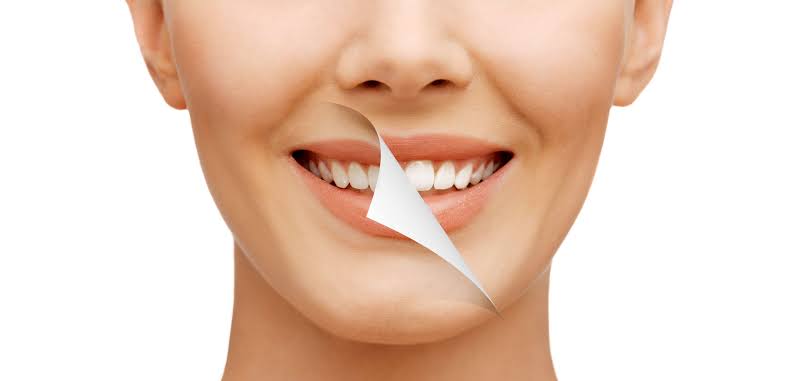
A bright white smile can leave a first impression. It usually makes people feel more confident and helps them take care of their teeth. With so many products and treatments for whitening a lot of people wonder, “What is the best way to whiten teeth?”
The answer changes based on a few things like why the teeth are discolored the health of the mouth the money available and how fast someone wants to see results.
In this guide you will learn the best ways, to whiten teeth what really works what does not work and how to keep a brighter smile for many years to come.
So you want to know why your teeth get discolored. This is important because it helps you pick the way to make your teeth white again.
There are some things that can make your teeth discolored. These things are:
For example:
let us talk about Sarah. Sarah drinks three cups of coffee every day. She does not use a straw very often. After five years Sarah noticed that her teeth were getting yellow. She went to see a professional. They did a teeth whitening treatment on her. This treatment was able to remove most of the stains from the surface of Sarahs teeth.
These stains occur on the outer enamel.
Common causes:
These are usually easier to remove with whitening treatments.
These stains develop inside the tooth.
Common causes:
These stains often require professional treatment or cosmetic dentistry.
There isn’t one perfect solution for everyone. The best option depends on your needs.
Professional whitening performed by a dentist remains the safest and most effective option.
Many patients see teeth become 5–8 shades lighter in a single appointment.
Example
John had yellow stains from years of smoking. After one professional whitening session, his smile looked dramatically brighter before his wedding.
Best For:
Deep stains
Quick results
Sensitive teeth
Special occasions
Dentists can create custom trays that fit your teeth perfectly.
You wear them daily with professional whitening gel.
Advantages:
Whitening strips are one of the most popular at-home treatments.
Pros:
Cons:
Example:
Emily used whitening strips for two weeks before her graduation and noticed her teeth became about three shades whiter.
Whitening toothpaste removes surface stains rather than changing the natural color of teeth.
Most contain:
This option works best for maintaining whitening results.
Whitening pens are convenient for travel.
Advantages include:
However, they are not ideal for heavily stained teeth.
Many teeth whitening kits mix whitening gel with a light.
These kits can make results better, than using whitening gel by itself. They usually do not work as well as professional whitening.
People are always looking for ways to do things.
Let us look at some options we have.
Baking soda is great for getting rid of stains on the surface.
We should only use baking soda sometimes because if we scrub much with baking soda it can hurt the enamel on our teeth.
Baking soda is a thing to use to clean our teeth but we have to be careful, with baking soda.
Lots of teeth whitening products already have hydrogen peroxide in them.
You should not use hydrogen peroxide without a dentist telling you it is okay.
There is not a lot of proof that charcoal toothpaste really works.
Some of these products can be too rough on the teeth. Hurt the enamel.
Do not use lemon juice on your teeth.
The acid in lemon juice is bad for your teeth. Can hurt them really badly.
Some people think that swishing oil around in your mouth is good, for your teeth.
Oil pulling might make your mouth cleaner. It does not really make your teeth whiter.
Feature | Professional Whitening | At-Home Whitening |
Speed | Excellent | Moderate |
Results | Superior | Good |
Safety | High | Depends on use |
Cost | Higher | Lower |
Long-lasting | Yes | Moderate |
Dentist Supervision | Yes | No |
Choose based on your situation.
If you want to get your teeth really white you should get professional whitening and then use whitening toothpaste.
Professional whitening is usually the way to go because it really works.
If you smoke you should quit because that will help prevent stains on your teeth in the future.
When you are picking a product to whiten your teeth you should choose one that your dentist says is okay especially if you have teeth.
You can also try whitening strips because they are pretty good. They do not cost as much, as professional whitening.
Results vary depending on lifestyle.
Typical duration:
Avoiding stain-causing foods helps extend results.
Good oral hygiene prevents new stains.
Floss removes plaque between teeth.
Using a straw reduces contact between dark beverages and your teeth.
A quick rinse minimizes staining.
Professional cleanings remove plaque and surface stains.
Smoking quickly causes yellow and brown stains.
Some foods naturally clean teeth while chewing.
Examples include:
These foods support oral health but should not replace proper whitening treatments.
False.
False.
False.
False.
Consult your dentist before whitening if you have:
Treating underlying dental issues first leads to safer and more effective whitening.
Professional in-office teeth whitening provides the fastest and most noticeable results, often in a single visit.
Yes. Most surface stains can be significantly reduced with professional or at-home whitening treatments.
Follow your dentist’s recommendations. Most people only need occasional touch-ups after professional whitening.
Some people experience temporary sensitivity, but it usually resolves within a few days.
Yes. Professional whitening offers faster, safer, and more predictable results than most over-the-counter products.
The best way to make teeth whiter depends on what you want how money you have and what kind of stains you have. The best option, for the most lasting results is getting teeth whitened by a dentist. If you want something whitening strips, custom trays or LED kits can also help make teeth look better if used the right way.
No matter which way you pick taking care of your mouth avoiding foods and drinks that make stains and going to the dentist often are important, for keeping your smile bright. With the way and regular care you can have a healthier whiter smile that stays for many years.
Still debating between veneers vs bonding and which option is right for your smile?
Your goals will help you choose the right treatment. If you want a durable and cosmetic change, veneers could be a better option. However, if you want a faster and more affordable solution, you may choose bonding instead.
As far as veneers vs bonding is concerned, both treatments serve as great ways of giving you a perfect smile. Although veneers give the benefit of longevity, bonding is faster and cheaper.
If you are looking for more than fixing your smile, go for the dental crown and bridge service.
If you have a problem with your teeth, you should get help. Fast treatment can really help your teeth and your health. You should go see a dentist if your tooth hurts a lot, your face is swollen, or you chip a tooth.
Your teeth problem can get worse if you wait too long to get help. So it is very important to get help from a dentist as soon as you can. Emergency dentists can make the pain go away, treat infections, and help save your damaged teeth. They can really help your teeth. That is why you should visit them when you have a problem with your teeth.
See a dentist within 30 minutes because fast treatment gives you the best chance of saving the tooth, and quick care can also reduce pain and prevent more damage.
Do you have a toothache or experience pain while chewing? This is your clue to visit a cavity protection service center immediately.
A full-mouth series of periapical X-rays (about 14 to 21 X-ray films) is most often done during a person’s first visit to the dentist. Bitewing X-rays are used during checkups to look for tooth decay. Panoramic X-rays may be used now and then.
Bitewing X-rays are among the most common types and are typically taken during routine dental check-ups. These X-rays capture images of the upper and lower teeth in a specific area, allowing dentists to assess the presence of cavities and monitor the health of the supporting bone.
X-rays help confirm the need for a root canal by revealing decay, infection, or abscesses. They provide a clear image of the tooth’s root structure, helping the dentist plan the procedure effectively.
A tooth that has an abscess at its root is generally sensitive to touch or pressure. Recommend an X-ray. An X-ray of the aching tooth can help identify an abscess. Your dentist may also use X-rays to determine whether the infection has spread, causing abscesses in other areas.
Gum disease often begins quietly. In many cases, there is little or no pain at first. However, you may notice a problem when your gums look red, swollen, or feel sore. Also, bleeding during brushing is an early warning sign. Fortunately, with early care, it can often be controlled.
Periodontal disease affects the gum tissue around your teeth. It usually starts when bacteria build up along the gum line. As a result, the gums become inflamed.
A healthy smile starts with healthy gums. Therefore, the team at Preferred Dental Care in Davie focuses strongly on keeping gums healthy.
Gingivitis is the earliest stage of gum disease. At this stage, gums may look red and feel tender. Over time, bleeding may occur during brushing and flossing. This is often a sign of early gum inflammation.
In addition, bad breath may last longer than usual. Also, gums may begin to pull away from the teeth. If left untreated, the infection can worsen and spread to gum tissue and even bone.
Plaque forms daily as a sticky layer of bacteria on teeth. However, when brushing and flossing do not remove plaque, it hardens into tartar. At that point, only a dentist can remove it safely.
As tartar builds up, it irritates the gums. Because of this, infection and inflammation develop. Moreover, several risk factors can increase the chance of disease. These include poor oral hygiene, smoking, diabetes, and genetics.
In many cases, dentists can reverse early gum problems with professional cleanings and better daily care. As a result, swelling and bleeding often improve.
However, if the infection becomes more advanced, treatment may include scaling and root planing. This deep cleaning removes plaque and tartar below the gum line. Then, the tooth roots are smoothed so the gums can heal properly. In some cases, antibiotics are also used to control bacteria.
In severe cases, surgery may be needed. For example, pocket reduction or gum graft surgery can help repair and strengthen the gums. Ultimately, these treatments help prevent further damage.
Gum disease is preventable with daily oral care and regular dental visits. Therefore, brushing, flossing, and routine checkups are essential. At Preferred Dental Care, treatment plans are personalized to meet each patient’s needs.
If you notice bleeding gums or bad breath, schedule a dental visit as soon as possible. By acting early, you can prevent serious damage and protect your smile for the long term.
Many things can affect how much a tooth extraction costs. First, the tooth’s location matters—wisdom teeth often cost more because they are tricky. Second, your dental health can change the cost. Third, extra treatments like X-rays or anesthesia add to the price. Fourth, the dentist’s experience also matters.
Also, looking at other options, like a tooth restoration, can sometimes cost less while keeping your smile healthy. Talking to your dentist helps you pick the best choice for your teeth and money.
The tooth removal cost is different for everyone. Each patient is unique, and the dentist must check the tooth carefully. For example, teeth with infection or damage may need extra care, which costs more. Routine extractions for healthy teeth usually cost less and take less time. The complexity of the procedure and the tools needed can also affect the price.
Also, insurance or dental plans can help cover part of the cost. Some plans pay a portion, so you spend less out-of-pocket. Learning about root canal vs extraction can help you see if saving the tooth is better and may save money. It is always a good idea to check with your dentist about coverage and payment options before the procedure.
Before a tooth extraction, it is important to follow simple steps. Eat a light meal if your procedure does not need sedation. Tell your dentist about any medicines you take. After the extraction, you need to take care of your mouth to avoid infection or problems.
Following these steps helps you heal faster. Proper care and check-ups make the process safe and easy.
Knowing the process of tooth extraction helps you feel more confident before visiting the dentist. You can get your money ready, ask any questions you have, and stay calm. Also, knowing what will happen during and after the procedure reduces worry and makes healing faster. Following your dentist’s instructions carefully helps your mouth recover safely and comfortably.
Furthermore, understanding tooth removal cost allows you to compare different options, such as tooth restoration versus extraction, and pick the best choice for your smile. Planning ahead helps you keep your mouth healthy, avoid unexpected problems, and feel sure about your treatment. With this knowledge, taking care of your teeth becomes easier and less stressful.
Knowing what affects dental costs helps you make smart choices for your oral care. By looking at different options, considering alternatives, and listening carefully to your dentist, you can protect both your teeth and your money. Taking the time to understand these factors makes it easier to plan for your treatment and avoid surprises.
With proper care and regular check-ups, your smile can stay healthy, bright, and comfortable for many years. Also, knowing tooth removal cost before your visit helps you plan your money and feel more confident about your procedure. Being prepared allows you to focus on healing and maintaining a strong, happy smile.
Keeping teeth strong and healthy is important for everyone, especially kids. First, one easy way to protect teeth is with dental sealants, which are thin coatings put on the chewing surfaces of back teeth. These coatings, therefore, stop germs and food from getting stuck, so teeth become easier to clean. Moreover, sealants help both kids and adults and work best when teeth are new. Along with brushing every day and visiting the dentist, they help keep teeth healthy and give good cavity protection.
Sealants are thin, plastic-like coatings painted on the grooves of teeth. Thus, they stop germs and food from staying in hard-to-clean places. Most importantly, most sealants are clear or a little colored, so they match the teeth. In addition, this layer makes brushing easier and keeps teeth stronger for longer.
Also, applying sealants is quick and does not hurt. First, the dentist cleans the tooth, then paints the sealant, and finally hardens it with a special light. In total, the process takes just a few minutes for each tooth. Therefore, kids who are learning to brush properly can get extra help from sealants.
Dental sealants, therefore, have many good points for keeping teeth healthy. They protect teeth from germs and make brushing easier. Also, they are safe for both kids and adults. They include:
Overall, sealants are safe and help teeth stay strong. In addition, they help kids and adults build good brushing habits. They also reduce the risk of future dental problems. Moreover, using sealants makes daily dental care easier and more effective.
Once applied, sealants create a strong shield over the teeth. This stops germs and acids from harming the enamel. They are especially helpful for molars, which have deep grooves that are hard to clean. Because of this protection, it is easier to keep teeth healthy and maintain a bright smile with regular brushing and dental care.
In addition, regular dental visits make sure sealants stay working well. Every six months, the dentist can check and fix them if needed. Also, parents can show kids how to brush correctly and encourage dental care for kids to get the most benefit.
Sealants work best on new permanent teeth. Kids usually get them on their first molars around age six. They get second molars around age twelve. Adults can get them too if teeth need extra care. Using them early helps teeth stay strong and healthy.
Talk to a dentist to know the right time for dental sealants. Early protection keeps teeth healthy. It also stops problems and reduces bigger dental work later. Regular checkups make sure the sealants stay in place. They help keep teeth safe.
This treatment is simple and gentle. The dentist begins by cleaning the tooth and placing a gentle gel on it. Then, the resin seeps into the tiny pores of the enamel. Finally, a special light is used to make it firm and strong.
People like icon resin infiltration since it helps guard teeth at an early stage. Instead of waiting for cavities to grow, it treats them right away. This saves time, reduces pain, and helps people feel more comfortable at the dentist.
It also improves the look of teeth. Many patients who already care for their smiles with treatments like teeth whitening notice that resin infiltration makes their teeth look smoother and brighter too.
One big benefit is prevention. Once the resin seals weak spots, it blocks germs and food from getting in. As a result, teeth stay stronger for many years.
Another benefit is confidence. It works beneath the enamel, so the change is hardly visible, but the teeth stay healthy and strong. Along with regular dental cleaning, this method helps keep smiles fresh and strong.
Icon resin infiltration is great for children, teens, and adults. It is most useful when decay is just starting and has not yet turned into a cavity. Because it is simple, it helps people who may feel nervous about regular dental drills.
It also works for people who want to protect their natural teeth for the future. When paired with proper brushing and healthy habits, it plays a key role in long-term dental care.
A gentle treatment can stop early tooth decay while keeping your teeth strong and natural. It avoids drilling, saves enamel, and helps you feel more confident about your smile. Starting care early makes it easier to enjoy healthy teeth for life.
One popular option is icon resin infiltration, which works by sealing weak spots in the enamel before they turn into cavities. Since the process is quick and painless, it not only protects your teeth but also keeps them looking natural for many years.