
What Is the Best Way to Whiten Teeth? Safe & Effective Methods Explained


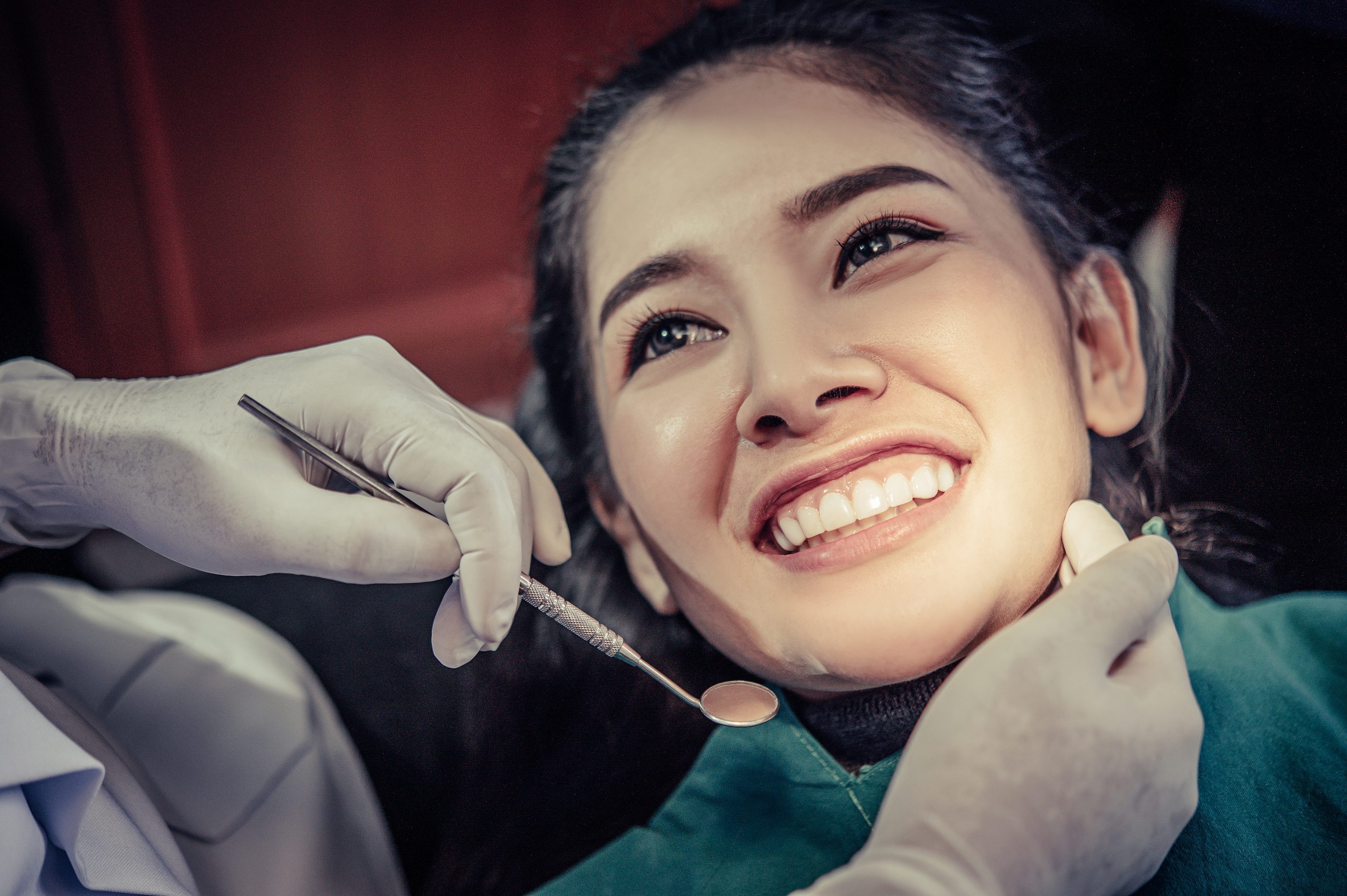


A root canal after care is an effective and commonly used dental procedure for saving an infected molar. Nobody desires to learn. They require a root procedure, though. The best method to stop the excruciating pain and other problems associated with a diseased tooth is typically through this process. Additionally, tooth canals are easy, uncomplicated processes.
Experiencing some pain and discomfort in the days following your root canal treatment is typical and anticipated. Nevertheless, there are methods to lessen suffering and accelerate recovery. To guarantee a smooth recovery and better mouth efficiency, proper root canal aftercare is also imperative.
What is a root canal?
Dentists perform a root canal procedure to cure an infected root canal of an affected tooth and stop further infection by removing the diseased tissue. A filling is then applied to close the gap after the inside of the tooth has been meticulously cleaned and sanitized. This procedure preserves the original molar.
You can start eating again once the anesthetic goes off. To prevent damaging the tooth that has had a root canal, make sure to put mastic on the side of your jaw that is different from the treated tooth. Eat slowly and digest your food as little as possible.
It’s essential to stay away from any meals that could aggravate your already sore and sensitive lips. Fruit smoothies, yogurt, and soft porridge are the finest to eat right after a tooth canal procedure.
General maintaining tips
Oral Hygiene:
To fully recuperate from your root canal, oral cleanliness is essential. Taking care of your teeth is always essential, but right now, avoiding infection is particularly critical.
Pain management:
Pain control is crucial in the hours and days following a root extraction. For a few days, particularly when eating, it is typical and anticipated to experience some discomfort.
Following these instructions ensures your recovery goes smoothly and safeguards your freshly fixed tooth for years. Remember to call your dentist immediately if you have any odd symptoms or worries about your recuperation. With the right root canal aftercare and continuing dental care, you can have a healthy, helpful mouth for years.
Finding the best pediatric dental clinic within your locality can be your nightmare. And if your child is in urgent need of frequent dental service, the problem intensifies tremendously. But dental treatments are a basic necessity. And you must pay attention to that. But how do you find the best pediatric clinic? And what are the parameters of the best pediatric dental clinics?
You will get to know all the details here so you can stay with your child happily.

Many factors can influence your decision. But, not all will apply to you. So, here we will talk about the most common 5 factors that will get you the best kid’s dental specialist within your locality.
The location of your pediatric dental clinic should not be far from your home. After all, kids don’t understand emergencies. So, once the problem arises, you have nothing but to run to your dentist as early as possible. Now the situation becomes difficult when the clinic is two to three hours away.
That is why you need your dental clinic within your locality or at least a 20 to 30 minutes drive away.
You must know about your dentists and the clinic to get the best pediatric dental clinic. How do they treat their patients, how do they drive your kids’ attention, and most importantly how the pediatric dentist keeps the entire treatment pain-free? So, check out the website of the dental clinic before you choose that as your child’s clinic. Also, you need to ask your neighbors if they have taken any treatment from the clinic. If yes, how was the experience with them? All these questions will take you to the best dental clinic within your locality.
Not just the dentists, you also need to know the servicing years of that clinic. A reputed clinic will pass all the government parameters. And in case of any issue, the government will take strict action against them. That is why the registered clinics won’t do anything illegal or malpractice. And as you are concerned about your child, you must check all the facts before visiting the clinic with your kid.
Infants face many common age-related dental issues, such as teething later than normal or the alignments of the teeth or the structure of gum. However, if your child has a particular type of problem, you have to talk to the dentist before booking an appointment. Also, if you need a particular service that is unusual, you need to ask whether the dentist is available for the treatment or do you need to switch the procedure. You must have a piece of detailed knowledge about the entire treatment process.
The last but one of the most important factors in choosing a pediatric dental clinic is the fee. You may get the best dentist for your child within your locality, but they charge a ransom amount of money. In that case, it will be difficult for you to complete the entire treatment.
However, you have another option but a few minutes away from the first clinic without your budget. In that case, isn’t it convenient to visit the second store? These are the monetary factors that you have to keep in mind while choosing your pediatric dental clinic.
So, start looking for a “pediatric dental clinic near me” and call them directly to know about these details. However, you may have some other queries. So, make sure to discuss them all with the servicing guide before booking an appointment.
Wisdom teeth, also known as third molars, can erupt at any age during a person’s life, whether it be in their late teens, early 20s, or even later in their lives. The four additional wisdom teeth typically cannot fit in a person’s mouth due to space limitations. For this, wisdom teeth frequently emerge at an angle, bumping into other teeth or only partly pushing through the gums. Each of these factors raises the likelihood that the tooth may get infected.
The causes and signs of a wisdom tooth infection are discussed here. Various home remedies and treatments are also described in this article.
Some typical signs of a wisdom tooth infection are listed below:
Here are a few potential reasons for a wisdom tooth infection or why a wisdom tooth or else the area around it could get infected.
A wisdom tooth may only partially or anatomically rise above the gum line. Dental professionals call this impaction. It can happen when there isn’t enough room in the mouth for the tooth to fully erupt, which is referred to as overcrowding. An infection can develop around a wisdom tooth that has partially erupted as a result of food particles and plaque accumulating there.
A wisdom tooth that has a cavity could develop an infection. The wisdom teeth can be trickier to clean than other teeth because they are located towards the back of the mouth. Around the wisdom teeth, flossing could be particularly challenging. These teeth are hence particularly prone to cavities which leads to wisdom tooth infection.
The process of removal of wisdom teeth is known as wisdom tooth extraction. This method is frequently used to cure or prevent issues brought on by wisdom teeth that are erupting or just partially erupting. At the extraction site, a wisdom tooth infection could appear.
For instance, a retrospective study discovered that 8.4% of individuals who had their wisdom teeth removed afterward experienced issues, such as:
Swelling in the gums around wisdom teeth or pain that are caused by an infection lasting longer than 3–4 days should be treated by a dentist. The dentist will strive to determine the root cause of the wisdom tooth infection and suggest the best courses of action.
Many people wait until they are in excruciating pain or have noticeable swelling before seeking dental care. Emergency care may be required when either of these things occurs.
Several issues can arise from wisdom teeth. They might not have enough space to get through, in which case they might only partially or never fully emerge. This creates the conditions for later issues including cavities and infections.
A wisdom tooth infection commonly manifests as pain and swelling. Visit a dentist if these problems persist for more than a few days even after using home remedies.
It is important to maintain good dental hygiene to ensure that your gums and teeth are well-maintained. It is a matter of brushing twice daily and regularly having dental examinations to maintain good dental hygiene. Dental health issues are thought of by experts as health issues. If not treated for tooth decay, gum issues can cause discomfort, issues with self-confidence, as well as loss of teeth.
Also Read: Top 5 Best Dental Habits to Improve Your Oral Hygiene
It’s not a secret that the most common suggestion for good dental hygiene is to brush your teeth every day at least twice. Brushing your teeth before bed helps get rid of the bacteria and plaque that build up throughout the day.
Make sure to take your time and move your toothbrush with gentle circular motions in order to eliminate plaque and the best ways to maintain oral hygiene. If plaque is not removed, it can become hardened, which can lead to build-up gingivitis (early gum disease). Visit a dentist if you have oral health problems to get tips for healthy teeth and gums.
Plaque can also form on your tongue. This can result in bad breath, but it could also cause various oral health issues. Be sure to brush your tongue gently every time you clean your teeth.
The toothpaste has more crucial aspects than just whitening power and having the option of flavors to maintain good dental hygiene. Whichever option you select, be sure that the toothpaste contains fluoride. It’s because fluoride acts as the most effective weapon against tooth decay. It combats the bacteria that could cause decay as well as protects your teeth.
Most people who brush regularly fail to floss. Flossing should not be only for getting tiny pieces of broccoli or food that could be stuck between your teeth. A daily flossing session will usually be enough to reap the advantages and the best ways to maintain oral hygiene.
Flossing can be a challenge for good dental hygiene, particularly for children as well as older adults with arthritis. Instead of giving up, search for tools that will assist you in flossing your teeth.
Before they worsen, dental problems can be identified and treated by a dentist. Every six months, experts advise people to get a check-up at the dentist.
It gives us great pleasure at Preferred Dental Care to welcome you as little more than a new patient. Your dental needs will be fulfilled and our dental experts will also give you high-quality dental treatment with tips for healthy teeth and gums.
A hygienist will remove plaque, clean the teeth with tartar during a basic dental check-up, and the dentist will look for visible indications of gum disease, cavities, mouth cancer, as well as other oral health problems with tips for healthy teeth and gums.
Implantation brought prosthetics to a fundamentally new level. Awesome aesthetics are achieved, and the physiological processes of the dentition are restored. What is the difference between implantation and prosthetics or implant denture service? The fundamental difference is that in the first case, the prosthesis is attached to dental implants, and in the case of classical prosthetics, to the patient’s living teeth. Due to this, prosthetics on implants have a number of undeniable advantages:
With this concept, they refer to removable prostheses, that is, those that the patient withdraws to brush their teeth or sleep.
PROS:
Removable: They are removed and the mouth and prosthesis can be cleaned separately.
Economic: It is always a cheaper option than implants.
Fast: Only 4 to 5 appointments are needed for its elaboration. That is, in a month they can be ready.
Dental implants are attachments like artificial roots that integrate into the bone, functioning in a healthy and natural way with the rest of the teeth.
PROS:
Fixed: It is an attachment that is completely osseointegrated into the bone functioning just like natural teeth.
Stop bone loss: Once the implant is placed, it stops the bone loss that area may have suffered.
Comfort: They work just like natural teeth, so you can eat and smile without worries.
Also read: Dental Crowns and Bridges Service for Substitution of Your Original Teeth
The biggest cost item in dental implantation is the cost of the implant itself. In classical prosthetics (CP), there is no implant. But then there will always be costs for an additional two crowns for supporting teeth. When restoring one tooth by implantation, only one crown is required, with KP – 3. When restoring 2 teeth, 2 crowns are required during implantation, when KP – 4. How much does one ceramic-metal crown cost? It depends, from where you are getting the service like example an experienced doctor in high-cost living area will charge more than a new dentist. That said, there are average price ranges that you can expect, explains Cost Helper. Porcelain-fused-to-metal crowns can cost between $875 and $1,400 per tooth. If you want to get the service from an experienced hand but at a reasonable cost then you can visit Preferred Dental Care.
When a classical prosthesis is installed, the adjacent teeth are de pulped (the nerve is removed) and the adjacent teeth are ground, which will serve as a support. Removing the pulp – the connective tissue filling the tooth cavity with a large number of blood and lymph vessels. It leads to the fact that the tooth stops receiving the necessary minerals, becomes brittle and quickly collapses. This process is enhanced by the additional load of the prosthesis. Teeth become loose, become mobile. You closed one hole but got two others in the foreseeable future.