


A broken or missing tooth can make it hard to eat, speak, and smile without worry. Today’s dentistry has many ways to fix teeth. Dental Crowns and Bridges are two choices that help make teeth work better and look better. They can also help keep teeth strong and close any spaces that are not wanted.
How do these treatments work?. Which one might be right for you? Let’s look at what they do, the things about them, and the main differences between them.
Dental crown treatment for damaged teeth
A damaged tooth may not always need to be removed. When a filling cannot provide support, a crown may help cover and protect it. Dental Crown Treatment may be considered for teeth with areas of decay, cracks, worn surfaces, or after root canal care.
A crown fits over a tooth. It restores shape and supports biting and chewing. Your dentist will check the tooth. Discuss the material and care plan that suits your needs.
Dental bridge treatment for missing teeth
A gap can affect more than your smile. It might make it harder to chew or change how your teeth fit together. Dental Bridge Treatment can fill the space by replacing one or more missing teeth with an artificial tooth. A traditional bridge is held in place by using the teeth on either side of the gap as support. In some situations, the bridge may be supported by implants instead.
Your dentist will look closely at the teeth and gums around the gap. The treatment plan will depend on the size of the gap and your overall oral health.
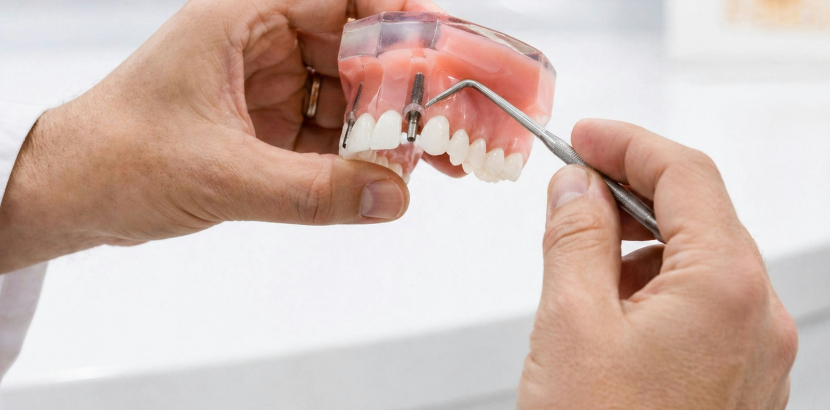
Care for damaged teeth and missing teeth
Early attention helps you avoid leaving a problem untreated. If you have a filling, a cracked tooth, or a space where a tooth is missing, ask about Damaged Teeth Repair and Missing Teeth Solutions. Seek care if you feel pain, swelling, or have trouble chewing.
After Damaged Teeth Repair, keep your teeth and gums clean. Brush twice a day and clean between your teeth as your dentist advises. Go to regular dental checkups. Also avoid chewing objects that might damage your dental work. Daily care keeps your restoration lasting.
Understanding your restoration options
Dental Crowns and Bridges are options for restoring damaged and missing teeth. Crowns protect teeth, while Bridges fill gaps left by missing teeth. Both can make chewing easier. Help with daily mouth work. With care and regular dental checkups, Dental Crowns and Bridges can stay in good shape for many years. Patients at Preferred Dental Care Davie can learn about Dental Crowns and Bridges treatment options. Understand which Dental Crowns or Bridges approach may best suit their dental needs.
Things to Know Before Dental Treatment
Can a dental crown protect a tooth from further damage?
Yes. A dental crown covers the damaged part of a tooth and helps protect it from further wear or breakage. However, good oral hygiene is still important to keep the tooth healthy.
How long do dental crowns and bridges last?
Can I eat normally after getting a dental bridge?
Yes, most patients can return to their usual eating habits once they adjust to the bridge. However, it is better to start with soft foods and avoid very hard or sticky foods at first.
Why is gum health important before getting a dental bridge?
Healthy gums help support the teeth that hold a traditional bridge. Therefore, your dentist may recommend treating gum problems before starting Dental Bridge Treatment.
What signs may indicate a problem with a dental crown or bridge?
Pain, swelling, unusual sensitivity, a loose restoration, or discomfort while chewing may indicate a problem. Therefore, contact your dentist if you notice these changes.
