How AI Is Improving Modern Dentistry

dental-treatment-care

AI, in Modern Dentistry is changing the way dentists care for patients. Today dentists use tools to check teeth plan care and study dental images. Also modern dental technology helps dentists get information. As a result dental care can be more organized and precise.

How AI in Modern Dentistry Helps With Dental Checks

AI can help dentists look at images. For example AI can study X‑rays and dental scans. AI may point out areas that need attention.

However AI does not replace the dentist. Instead AI gives dentists information. The dentist then checks the results. Decides what care is needed.

AI and Digital Dental Scanning

Digital scanning has become a tool, in todays world. An intraoral scanner can capture a picture of your mouth without the materials that were used for old impressions.AI also plays a role. It can sort out the 3- pictures of the teeth so that they are easy to view.

With this data dentists can plan treatments accurately. Digital scanning gives dentists a map of the teeth.

Better Treatment Planning With AI

Dental treatment often requires types of information. AI tools can help dentists review this information. For example AI tools can work with images and digital scans.Also dentists can look at records during treatment planning. As a result dentists can get a view of the teeth and mouth.

AI, in dentistry can support this process. Still the dentist makes the treatment decisions.
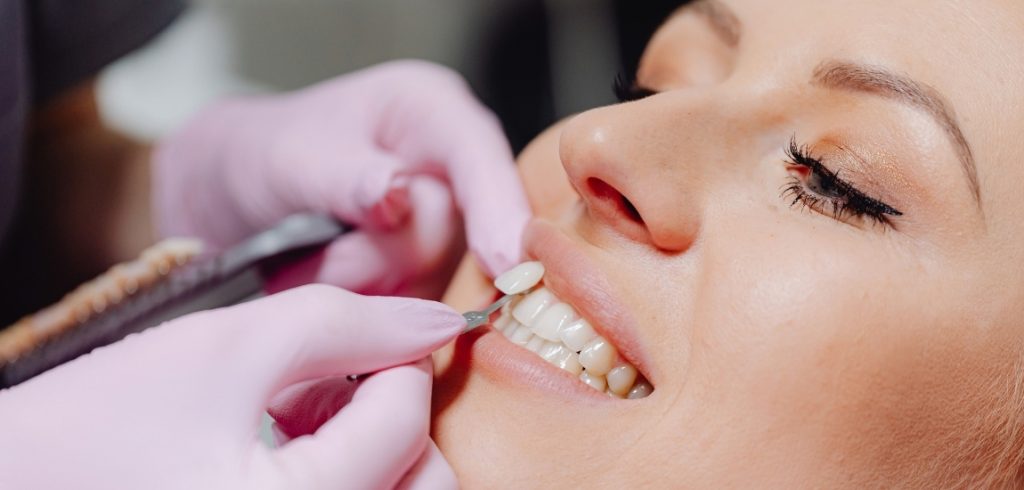
Dental-care-treatment

AI in Dental Restorations

I see that AI is also being used in restoration work. Digital tools can help design crowns, bridges and other restorations.

Moreover modern dental technology can work with CAD/CAM systems. These systems help create designs, for dental restorations but the dentist and dental lab team still check the final work.

More Personalized Dental Care

Every patient is different. Therefore, dental care should fit each person’s needs.
AI can help dentists review digital images and records. It may also help find patterns in the data. This can support treatment planning.
However, the dentist’s exam is still very important. The dentist uses their training and the patient’s needs to choose the right care.

What Patients Can Expect From AI Dentistry

AI does not make dental care fully automatic. Instead it works with dentists and other digital tools.

For example patients may see digital scans and advanced imaging. They may also have computer-assisted treatment planning.

As modern dental technology grows these tools may become more common. However dentists will continue to guide care.

Final Thoughts

I see AI in Modern Dentistry bringing tools into dental care. AI, in Modern Dentistry can help with imaging, digital scanning, treatment planning and restorations.

At the time modern dental technology keeps improving. These tools can help dentists work with digital information. Importantly the dentist remains at the center of patient care.

Frequently Asked Questions

How does AI help dentists?

AI can help dentists analyze digital images and organize information. It can also support treatment planning and digital dental workflows.

AI can help process digital information and support treatment planning. The dentist uses this information along with an examination and clinical judgment.
AI tools used in dentistry are designed to support dental professionals. Their appropriate use depends on the technology, clinical setting, and professional oversight.
Some digital workflows may help reduce certain manual steps. However, appointment time depends on the treatment, technology, and individual patient needs.

What are the early warning signs of gum disease? What is the treatment?

What are the early warning signs of gum disease? What is the treatment?

Gum disease often begins quietly. In many cases, there is little or no pain at first. However, you may notice a problem when your gums look red, swollen, or feel sore. Also, bleeding during brushing is an early warning sign. Fortunately, with early care, it can often be controlled.

Understanding Periodontal Disease and Gum Tissue Disease

Periodontal disease affects the gum tissue around your teeth. It usually starts when bacteria build up along the gum line. As a result, the gums become inflamed.

A healthy smile starts with healthy gums. Therefore, the team at Preferred Dental Care in Davie focuses strongly on keeping gums healthy.

Early Warning Signs: What to Watch For

Gingivitis is the earliest stage of gum disease. At this stage, gums may look red and feel tender. Over time, bleeding may occur during brushing and flossing. This is often a sign of early gum inflammation.

In addition, bad breath may last longer than usual. Also, gums may begin to pull away from the teeth. If left untreated, the infection can worsen and spread to gum tissue and even bone.

What is the cause?

Plaque forms daily as a sticky layer of bacteria on teeth. However, when brushing and flossing do not remove plaque, it hardens into tartar. At that point, only a dentist can remove it safely.

As tartar builds up, it irritates the gums. Because of this, infection and inflammation develop. Moreover, several risk factors can increase the chance of disease. These include poor oral hygiene, smoking, diabetes, and genetics.

Treatment Options

In many cases, dentists can reverse early gum problems with professional cleanings and better daily care. As a result, swelling and bleeding often improve.

However, if the infection becomes more advanced, treatment may include scaling and root planing. This deep cleaning removes plaque and tartar below the gum line. Then, the tooth roots are smoothed so the gums can heal properly. In some cases, antibiotics are also used to control bacteria.

In severe cases, surgery may be needed. For example, pocket reduction or gum graft surgery can help repair and strengthen the gums. Ultimately, these treatments help prevent further damage.

Prevention and Supportive Care

Gum disease is preventable with daily oral care and regular dental visits. Therefore, brushing, flossing, and routine checkups are essential. At Preferred Dental Care, treatment plans are personalized to meet each patient’s needs.

If you notice bleeding gums or bad breath, schedule a dental visit as soon as possible. By acting early, you can prevent serious damage and protect your smile for the long term.

Oral Health Warning: The Damage That Cigarettes Hide

You just name “smoking” and thoughts of risk hit your mind. So, imagine what its impact would be on your oral health? Well, not good for sure. However, you are yet to see the complete picture. So, stay with this post for a deeper understanding. Together, we’ll find a way to bring back your smile.

Nicotine’s Knockout: The Harmful Blow to Your Oral Health

Smoking hurts your oral health in many subtle ways. First of all, it stains your teeth. As a result, smiles look dull. Next, it harms your gums. Hence, they may swell and bleed. Also, the healing speed goes down. So, those small sores may turn serious.

Tobacco Problem: Why Smokeless Doesn’t Mean Harmless

As you chew tobacco, you skip the smoke. However, do you skip the risk too? Still, it leaves you with the harm. Like how? This chewing habit can burn your soft mouth tissues. Over time, sores find a way. In fact, some turn into red or white patches. And these could hide as symptoms of oral cancer. So, it’s not safe at all.

Lighting Up Trouble: Smoking’s Effect on Your Oral Health

Discoloration Issue– Firstly, smoking can stain your teeth. Secondly, nicotine and tar could stay permanently in your enamel. Thirdly, these stains refuse to wash away. So, your hope in this time is a proper whitening service.

High Risk of Gum Disease– Next, smoking harms your gums badly. It cuts off the blood flow. As a result, your gums won’t be tough against infection. And that invites more gum infections.

Chances of Tooth Loss– Smoking makes your teeth fall out. When gums can’t hold teeth, they wobble. And a wobbly tooth often drops out. So, smokers face the risk of losing teeth.

Healing on Hold: How Smoking Slows Your Oral Treatment

After dental treatment, smokers heal much more slowly. With less blood and oxygen, the gums try too hard to repair. And that invites infection risk. Moreover, wound closing slows down. Other than that, implants may not take hold. In fact, a routine cleaning can also invite trouble. So, smokers face more risk after a dental visit.

Bright Side: How a Dental Care Center Brings Back Smiles

In these situations, a dental care center can help restore your smile. You can also expect a guide to the maintenance of oral health. On top of that, they toss tips on flossing, eating, and brushing. So basically, professional care does it all to restore your smile.

Lighting the Way to Better Oral Health and Better Smiles

In short, your oral health takes a beating because of smoking. First comes those trouble-causing dental problems. Then, you also suffer from slowed healing. And, in these cases, professional dental care never disappoints.

Unmasking the Bad Breath Culprits: Causes and Solutions 

Proper brushing and flossing have been your best steps to ensure good oral health. But you still can’t do away with bad breath. Why? If your brushing schedule is on point, then what’s causing the issue? Something more is hiding behind the view. We take the problem from here, showing you all the possible causes and effective solutions. 

Mouth Turning Dry? The Silent Cause Behind Bad Breath 

Xerostomia or dry mouth is a common issue giving rise to bad breath. This condition involves less production of saliva by the salivary glands, leaving the mouth dry. This situation negatively affects your oral health. 

Saliva secretion is crucial to control bacterial growth and neutralize acids. So, lack of saliva allows bacteria to initiate bad breath. Common causes of dry mouth include medical conditions, dehydration, medications, aging, mouth breathing, or smoking. Visit a dental care center to address these concerns on time. 

The Consequences of Oral Hygiene Avoidance

One of the common causes of bad breath is a lack of proper oral hygiene. Another thing to understand is that only brushing and flossing are not enough. The question is- ”Are you doing them the right way?” 

The consequences of improper brushing include the presence of bacteria and food particles in difficult-to-reach corners. These sulfur compounds become the primary reason behind a bad odor. Another bacteria-building negligence is the lack of proper tongue cleaning. 

Proper oral hygiene includes careful and gentle brushing for 2-3 minutes twice a day and everyday flossing. Gentle tongue cleaning and routine dental check-ups are also crucial for ensuring oral health and fresh breath.  

Medications and Bad Breath: The Surprising Side Effects 

Bad breath often results from the side effects of specific medications. For instance, decongestants and antihistamines that cause bad odor in the mouth may give rise to halitosis by lowering the secretion of saliva. This lack of ample saliva allows the bacteria to thrive and create sulfur compounds. 

In some cases, a few antibiotics can negatively affect bacterial balance in your mouth. This situation allows more bacteria to feed over food particles and cause smelly odors. 

Breath of Trouble: Combating Halitosis and Sinus Infections 

Is there any contribution of respiratory and sinus infections to bad breath? Yes. Congestion or inflammation of sinuses and nasal passages causes the buildup of mucus and bacteria, thereby draining into your throat. And that leads to the development of halitosis. Be it common cold, sinusitis, or rhinitis, these conditions aggravate mucus production and invite odor-causing bacteria. The situation turns worse with inflammation in the sinus and nasal cavities. 

If you still experience bad breath after eliminating other causes, you must pay attention to respiratory and sinus infections. Hence, medical attention becomes necessary to combat the infection and bad breath. 

Is Digestive Issue One of the Causes of Bad Odor? 

Digestive complications can be one of the common causes of bad breath. From GERD to acid reflux, these gut conditions can give rise to halitosis. As undigested food or stomach acid reflux back into your esophagus, it sets up the ambiance for odor-causing bacteria. And that leads to the development of acidic or sour breath. 

Does the problem persist even after lifestyle modifications and oral hygiene? It indicates the need to seek medical attention to resolve digestive complications.  

Banish Bad Breath: Proven Tips for a Breath of Fresh Air 

Here are some effective ways to combat bad breath and feel freshness. 

  • Consuming plenty of water every day helps with saliva production and moisture. 
  • Pay proper attention to brushing, flossing, and tongue cleaning daily. 
  • Lower the intake of onion, garlic, coffee, or odor-causing foods and beverages. 
  • Switch to sugar-free lozenges and chewing gums to encourage saliva flow. 
  • You won’t find any alternative to proper dental care and regular check-ups. 

Final Words: Fresh Start with Fresh Breath 

By identifying the root cause of the unpleasant odor, you can find the ideal path to mouth freshness. Be sure to maintain proper oral hygiene and ensure regular dental check-ups. And that would be enough for a confident conversation without smelly frustration.

A Guide To Smile Radiantly with Effective Oral Hygiene

Taking care of your oral hygiene is vital for healthy teeth and gums. Some simple and effective habits can keep your smile bright. It also prevents common dental issues. So, let’s explore the reasons behind oral health. You will get different practical tips from here for effective oral care.

Some Effective tips to maintain your Oral Hygiene

Oral hygiene refers to the practice of maintaining the cleanliness of the mouth, teeth, and gums to prevent dental problems such as tooth decay, gum disease, and bad breath. It involves regular habits and techniques that help keep the mouth and teeth healthy. So if you want to keep your tooth healthy must follow these tips:

  • Brushing techniques and flossing

Proper brushing processes are essential for germs removal. You need to use a soft-bristled toothbrush. Then, brush with a gentle, circular motion on the tooth surfaces. 

Remember to brush your teeth twice a day. Besides, you have to replace your toothbrush routinely. Flossing plays an essential role in oral hygiene. It removes food particles from teeth. So, aim to floss once a day, especially before bedtime.

  • Mouthwash

Using a germ-free mouthwash can ensure your oral health. A routine mouthwash helps kill bacteria. Besides, it freshens your breath. You can buy alcohol-free mouthwash for better results. Mouthwash that contains fluoride can protect your teeth from cavities. You can use mouthwash after flossing or brushing. 

  • Clean your tongue

Cleaning the tongue is another vital step in oral hygiene. Bacteria on your tongue leads to bad breath. It is also responsible for other oral issues. So, you can gently brush your tongue. Even a tongue scraper also can remove bacteria. 

  • Importance of a Balanced Diet

Your diet plan plays a key role to maintain oral health. Do you know that sugar intake can be responsible for tooth decay? Yes, it is. So, limit sugar consumption and acidic foods. Besides, include fruits, vegetables, and dairy products in your diet plan. It provides nutrients for your overall teeth health. 

  • Regular Check-ups

Routine dental check-ups are vital for optimal oral health. You can visit your dentist every six to seven months. They will help you with professional cleanings and tests. Your expert can detect and treat dental issues early. So, it reduces the risk of more serious problems in future. 

Additional tips-

  • You can limit snacking to reduce acid attacks on the teeth.
  • You should avoid the use of tobacco as it increases the risk of oral cancer. Even tobacco is responsible for various gum diseases.
  • Drinking plenty of water is essential to staying hydrated. It neutralizes acids in the mouth as well. 
  • The use of fluoride toothpaste enhances tooth enamel. It also can protect against cavities. 

Conclusion

Keeping good oral hygiene is crucial for oral health and a bright smile. Some simple but vital habits like proper brushing, regular flossing and others keep good oral health. Uses mouthwash, and having a good diet is also essential for overall teeth health. So, visit your dentist regularly for check-ups. Ensure your bright teeth with professional cleaning today.