How AI Is Improving Modern Dentistry

dental-treatment-care

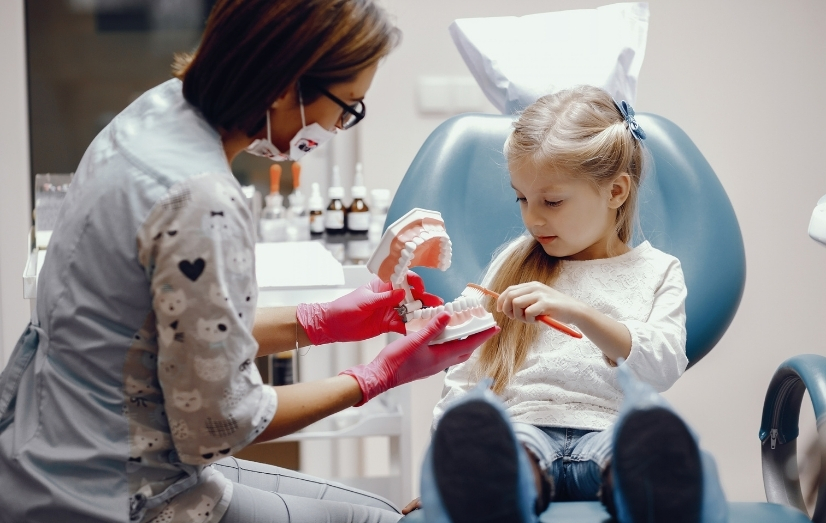
AI, in Modern Dentistry is changing the way dentists care for patients. Today dentists use tools to check teeth plan care and study dental images. Also modern dental technology helps dentists get information. As a result dental care can be more organized and precise.

How AI in Modern Dentistry Helps With Dental Checks

AI can help dentists look at images. For example AI can study X‑rays and dental scans. AI may point out areas that need attention.

However AI does not replace the dentist. Instead AI gives dentists information. The dentist then checks the results. Decides what care is needed.

AI and Digital Dental Scanning

Digital scanning has become a tool, in todays world. An intraoral scanner can capture a picture of your mouth without the materials that were used for old impressions.AI also plays a role. It can sort out the 3- pictures of the teeth so that they are easy to view.

With this data dentists can plan treatments accurately. Digital scanning gives dentists a map of the teeth.

Better Treatment Planning With AI

Dental treatment often requires types of information. AI tools can help dentists review this information. For example AI tools can work with images and digital scans.Also dentists can look at records during treatment planning. As a result dentists can get a view of the teeth and mouth.

AI, in dentistry can support this process. Still the dentist makes the treatment decisions.

Dental-care-treatment

AI in Dental Restorations

I see that AI is also being used in restoration work. Digital tools can help design crowns, bridges and other restorations.

Moreover modern dental technology can work with CAD/CAM systems. These systems help create designs, for dental restorations but the dentist and dental lab team still check the final work.

More Personalized Dental Care

Every patient is different. Therefore, dental care should fit each person’s needs.
AI can help dentists review digital images and records. It may also help find patterns in the data. This can support treatment planning.
However, the dentist’s exam is still very important. The dentist uses their training and the patient’s needs to choose the right care.

What Patients Can Expect From AI Dentistry

AI does not make dental care fully automatic. Instead it works with dentists and other digital tools.

For example patients may see digital scans and advanced imaging. They may also have computer-assisted treatment planning.

As modern dental technology grows these tools may become more common. However dentists will continue to guide care.

Final Thoughts

I see AI in Modern Dentistry bringing tools into dental care. AI, in Modern Dentistry can help with imaging, digital scanning, treatment planning and restorations.

At the time modern dental technology keeps improving. These tools can help dentists work with digital information. Importantly the dentist remains at the center of patient care.

Frequently Asked Questions

How does AI help dentists?

AI can help dentists analyze digital images and organize information. It can also support treatment planning and digital dental workflows.

AI can help process digital information and support treatment planning. The dentist uses this information along with an examination and clinical judgment.
AI tools used in dentistry are designed to support dental professionals. Their appropriate use depends on the technology, clinical setting, and professional oversight.
Some digital workflows may help reduce certain manual steps. However, appointment time depends on the treatment, technology, and individual patient needs.

What Is the Best Way to Whiten Teeth? Safe & Effective Methods Explained

A bright white smile can leave a first impression. It usually makes people feel more confident and helps them take care of their teeth. With so many products and treatments for whitening a lot of people wonder, “What is the best way to whiten teeth?”

The answer changes based on a few things like why the teeth are discolored the health of the mouth the money available and how fast someone wants to see results.

In this guide you will learn the best ways, to whiten teeth what really works what does not work and how to keep a brighter smile for many years to come.

Why Do Teeth Become Yellow or Stained?

So you want to know why your teeth get discolored. This is important because it helps you pick the way to make your teeth white again.

There are some things that can make your teeth discolored. These things are:

  1. Coffee and tea
  2. wine
  3. Smoking or using tobacco
  4. Getting older
  5. Not taking care of your teeth
  6. Taking kinds of medicine
  7. Having much fluoride when you were a kid
  8. The way your body is made which is genetics
  9. Eating foods that’re dark, in color like berries and soy sauce

For example:

let us talk about Sarah. Sarah drinks three cups of coffee every day. She does not use a straw very often. After five years Sarah noticed that her teeth were getting yellow. She went to see a professional. They did a teeth whitening treatment on her. This treatment was able to remove most of the stains from the surface of Sarahs teeth.

Different Types of Tooth Stains

Extrinsic Stains

These stains occur on the outer enamel.

Common causes:

  1. Coffee
  2. Tea
  3. Tobacco
  4. Wine
  5. Curry

These are usually easier to remove with whitening treatments.

Intrinsic Stains

These stains develop inside the tooth.

Common causes:

  1. Aging
  2. Trauma
  3. Certain antibiotics
  4. Excess fluoride

These stains often require professional treatment or cosmetic dentistry. 

What Is the Best Way to Whiten Teeth?

There isn’t one perfect solution for everyone. The best option depends on your needs.

1. Professional Teeth Whitening (Best Overall)

Professional whitening performed by a dentist remains the safest and most effective option.

  • Benefits
  • Fast results
  • Strong whitening agents
  • Even whitening
  • Dentist supervision
  • Less risk of gum irritation

Many patients see teeth become 5–8 shades lighter in a single appointment.

Example

John had yellow stains from years of smoking. After one professional whitening session, his smile looked dramatically brighter before his wedding.

Best For:

Deep stains

Quick results

Sensitive teeth

Special occasions

2. Custom Take-Home Whitening Trays

Dentists can create custom trays that fit your teeth perfectly.

You wear them daily with professional whitening gel.

Advantages:

  • More comfortable
  • Even whitening
  • Better than store-bought trays
  • Lower sensitivity
  • Results usually appear within one to two weeks.

3. Whitening Strips

Whitening strips are one of the most popular at-home treatments.

Pros:

  • Affordable
  • Easy to use
  • Good for mild staining

Cons:

  1. Uneven results
  2. May cause tooth sensitivity
  3. Less effective on deep stains

Example:

Emily used whitening strips for two weeks before her graduation and noticed her teeth became about three shades whiter.

4. Whitening Toothpaste

Whitening toothpaste removes surface stains rather than changing the natural color of teeth.

Most contain:

  1. Mild abrasives
  2. Hydrogen peroxide
  3. Baking soda

This option works best for maintaining whitening results.

5. Whitening Pens

Whitening pens are convenient for travel.

Advantages include:

  1. Quick application
  2. Portable
  3. Good for touch-ups

However, they are not ideal for heavily stained teeth.

6. LED Teeth Whitening Kits

Many teeth whitening kits mix whitening gel with a light.


These kits can make results better, than using whitening gel by itself. They usually do not work as well as professional whitening.

Do Natural Teeth Whitening Remedies Work?

People are always looking for ways to do things.

Let us look at some options we have.

Baking Soda

Baking soda is great for getting rid of stains on the surface.

We should only use baking soda sometimes because if we scrub much with baking soda it can hurt the enamel on our teeth.

Baking soda is a thing to use to clean our teeth but we have to be careful, with baking soda.

Hydrogen Peroxide

Lots of teeth whitening products already have hydrogen peroxide in them.

You should not use hydrogen peroxide without a dentist telling you it is okay.

Activated Charcoal

There is not a lot of proof that charcoal toothpaste really works.

Some of these products can be too rough on the teeth. Hurt the enamel.

Lemon Juice

Do not use lemon juice on your teeth.

The acid in lemon juice is bad for your teeth. Can hurt them really badly.

Coconut Oil Pulling

Some people think that swishing oil around in your mouth is good, for your teeth.

Oil pulling might make your mouth cleaner. It does not really make your teeth whiter.

Professional Whitening vs At-Home Whitening

Feature

Professional Whitening

At-Home Whitening

Speed

Excellent

Moderate

Results

Superior

Good

Safety

High

Depends on use

Cost

Higher

Lower

Long-lasting

Yes

Moderate

Dentist Supervision

Yes

No

Which Whitening Method Is Best for You?

Choose based on your situation.

Coffee Drinkers

If you want to get your teeth really white you should get professional whitening and then use whitening toothpaste.

Smokers

Professional whitening is usually the way to go because it really works.

If you smoke you should quit because that will help prevent stains on your teeth in the future.

Sensitive Teeth

When you are picking a product to whiten your teeth you should choose one that your dentist says is okay especially if you have teeth.

Budget-Friendly Option

You can also try whitening strips because they are pretty good. They do not cost as much, as professional whitening.

How Long Do Whitening Results Last?

Results vary depending on lifestyle.

Typical duration:

  • Professional whitening: 1–3 years
  • Whitening strips: 3–6 months
  • Whitening toothpaste: Ongoing maintenance
  • LED kits: 6–12 months

Avoiding stain-causing foods helps extend results.

Tips to Keep Your Teeth White Longer

Brush Twice Daily

Good oral hygiene prevents new stains.

Floss Every Day

Floss removes plaque between teeth.

Drink Through a Straw

Using a straw reduces contact between dark beverages and your teeth.

Rinse After Coffee or Wine

A quick rinse minimizes staining.

Visit Your Dentist Regularly

Professional cleanings remove plaque and surface stains.

Avoid Tobacco

Smoking quickly causes yellow and brown stains.

Foods That Help Keep Teeth White

Some foods naturally clean teeth while chewing.

Examples include:

  • Apples
  • Carrots
  • Celery
  • Cheese
  • Yogurt
  • Strawberries (in moderation)

These foods support oral health but should not replace proper whitening treatments.

Common Teeth Whitening Myths

Myth 1: Whitening Damages Teeth

False.

  • Professional whitening is safe when performed correctly.

Myth 2: Whitening Works Forever

False.

  • Maintenance is necessary.

Myth 3: Everyone Gets the Same Results

False.

  • Results depend on stain type and tooth condition.

Myth 4: More Whitening Gel Means Better Results

False.

  • Overusing whitening products may increase sensitivity without improving results.

When Should You Avoid Teeth Whitening?

Consult your dentist before whitening if you have:

  1. Cavities
  2. Gum disease
  3. Cracked teeth
  4. Dental crowns or veneers
  5. Pregnancy or breastfeeding (unless advised otherwise)
  6. Severe tooth sensitivity

Treating underlying dental issues first leads to safer and more effective whitening.

Frequently Asked Questions (FAQs)

Professional in-office teeth whitening provides the fastest and most noticeable results, often in a single visit.

Yes. Most surface stains can be significantly reduced with professional or at-home whitening treatments.

Follow your dentist’s recommendations. Most people only need occasional touch-ups after professional whitening.

Some people experience temporary sensitivity, but it usually resolves within a few days.

Yes. Professional whitening offers faster, safer, and more predictable results than most over-the-counter products.

Final Thoughts

The best way to make teeth whiter depends on what you want how money you have and what kind of stains you have. The best option, for the most lasting results is getting teeth whitened by a dentist. If you want something whitening strips, custom trays or LED kits can also help make teeth look better if used the right way.

No matter which way you pick taking care of your mouth avoiding foods and drinks that make stains and going to the dentist often are important, for keeping your smile bright. With the way and regular care you can have a healthier whiter smile that stays for many years.

Why Patients Trust Professional Dental Restoration Services in Davie

A beautiful, healthy smile can completely change what you often experience yourself. But dental problems like cavities, cracked enamel, or missing pieces can quickly drain your confidence. When these problems appear, residents seek trusted care to restore their enamel. Notably, patients consistently agree with professional dental restoration services in Davie to convey their shiny smiles again.
But what makes these neighborhood approaches so authentic? Let’s explore why it’s the best choice for your oral fitness and peace of mind.

Advanced Technology for Better Results

First and foremost, modern technology has completely revolutionized the dental industry. A professional dental clinic in Davie uses advanced tools to diagnose and treat dental issues with extreme accuracy.
  • Digital X-rays: These expose you to significantly less radiation and provide instant, high-resolution images.
  • Intraoral Cameras: Dentists use these tiny cameras to show you exactly what is happening inside your mouth in real-time.
  • Advanced Materials: Modern fillings, crowns, and implants blend seamlessly with your natural teeth.
Consequently, these tools make your visits faster, safer, and much more comfortable than they were in the past.
dental clinic

Comprehensive Solutions Under One Roof

Another major reason patients trust local experts is the wide variety of treatments available. You do not need to drive all over South Florida to get different procedures done. Instead, a full-service clinic can handle multiple needs in one convenient location.

Direct Restorations

For minor damage, dentists use direct restorations. This usually involves placing a tooth-colored composite filling directly into a cleaned cavity. The material hardens quickly under a special light, allowing you to chew normally almost right away.

Indirect Restorations

If you have more severe structural damage, you might need an indirect restoration. These are custom-made outside of your mouth in a laboratory. Examples include:
  • Crowns: Custom caps that completely cover a damaged tooth to restore its strength.
  • Bridges: Realistic artificial teeth that anchor to your natural teeth to fill an empty gap.
  • Implants: Permanent titanium posts that act as tooth roots to support a lifelong crown.

Tailored Treatment Plans

Every mouth is entirely unique, and top-tier providers understand this fact. When you visit a trusted dental service, the team does not offer generic solutions. Instead, they carefully examine your teeth, listen to your goals, and design a personalized treatment plan just for you.
Because they tailor the treatment to your specific anatomy, you get a beautiful smile that functions perfectly. This personalized care ensures that your new teeth look natural and fit comfortably alongside your existing smile.

Experienced and Compassionate Professionals

Many people feel uncomfortable when it comes to sitting in a dental chair. Fortunately, preferred dental teams excel at making victims feel safe and comfortable. Highly trained dentists combine their technical information with real compassion.
They will also try to explain your options before any procedure begins. This open communication takes the mystery out of dental portraits, which significantly reduces your stress levels. Once you know exactly what to anticipate, you can sit back beneath the surface and let the professionals do your drafting with peace of mind.

Long-Lasting Health and Visual Benefits

Choosing professional dental restoration services in Davie does more than just make your smile look good. In fact, it protects your long-term physical health.
  • Prevents Further Decay: Fixing a small cavity early stops infection from reaching the nerve and causing severe pain.
  • Restores Chewing Ability: Crowns and bridges allow you to eat your favorite nutritious foods without discomfort.
  • Protects Your Jawbone: Replacing missing teeth with implants keeps your jawbone strong and preserves your natural facial structure.
Therefore, investing in professional care today saves you from painful and expensive emergencies down the road.

How to Choose the Right Davie Clinic

While Davie has many options, you need to look for a few key trends to discover a beautiful partner when it comes to your fitness. First, look for good reviews about cleanliness and friendly staff. Second, make sure they take delivery of your dental coverage or offer flexible payment plans. Finally, check to see if they offer emergency services if you ever need urgent help.

Renew Your Confidence Today

Eventually, patients accept the authenticity of neighborhood dentists due to the fact that they provide frequent, magnificent, and stress-relieving results and no longer have to live with toothache or conceal a grimace on the back of their hand. By choosing the nearest reliable hospital you are taking a first-class step towards a more fit, happy way of life.
If you need your smile back, schedule a consultation with a professional Davie dentist today and experience the difference firsthand!

Veneers vs Bonding: Which Cosmetic Dental Option Is Best?

Still debating between veneers vs bonding and which option is right for your smile?

Everyone wants white, pretty-looking teeth. A beautiful smile shows confidence and character. Unfortunately, teeth can chip, stain, become uneven, or wear down over time. That’s when people turn to cosmetic dental procedures. The most common of these are veneers and bonding.
When comparing veneers vs bonding, you should understand how each treatment works. Then, you can choose the option that best fits your needs.

What Are Veneers?

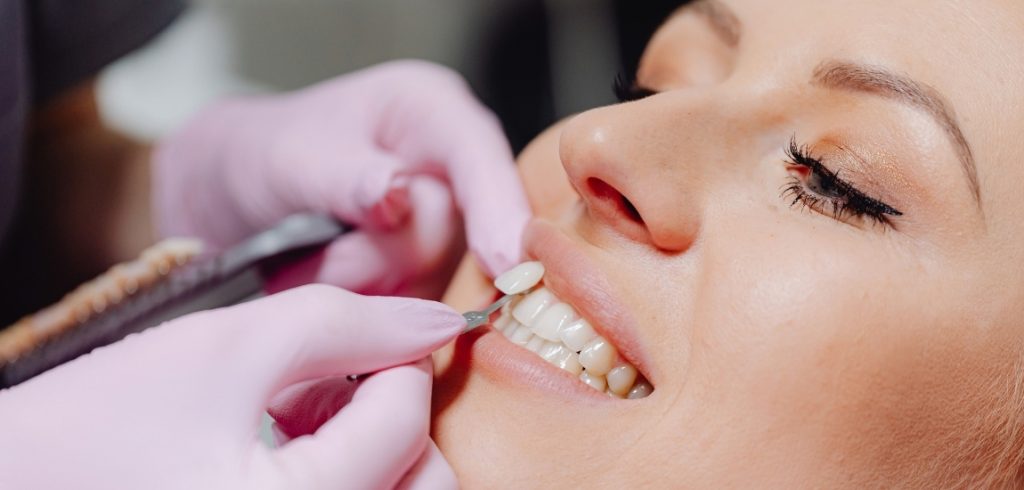
A veneer is a thin layer that sits on the surface of your tooth. Dentists usually make customized veneers from porcelain to enhance the shape and appearance of your teeth. 
Veneers address multiple issues, including discolorations, minor gaps between teeth, and misshapen teeth.
Additionally, porcelain veneers have a natural appearance. Hence, they are more resistant to staining compared to most other dental aesthetics.

What Is Bonding?

The bonding procedure involves a tooth-colored resin substance that is applied to the tooth by the dentist and molded into shape. Afterward, a light is used to harden the resin.
Bonding is an option that can be used to repair any damage, such as chipped teeth, cracks, small gaps, and discolorations.
It should also be noted that bonding requires less time than veneers.

Veneers vs Bonding: Major Differences

Both treatments improve smiles, but there are several differences.

Appearance

Porcelain veneers are more polished than other methods. They resemble natural teeth by reflecting light just like them.
On the contrary, bonding is quite similar to the appearance of natural teeth. Nonetheless, this method might not have the same shine as porcelain veneers.

Durability

Porcelain veneers are extremely durable materials that can withstand various situations for up to ten to fifteen years and even more.
Comparatively, bonding lasts for three to ten years only.

Cost

Veneers usually cost more because dentists have to customize them as per the patient’s needs.
Conversely, bonding is less expensive. It may therefore be the preferred option if you are on a tight budget.

Treatment Time

The bonding procedure is usually completed in one visit.
Whereas, veneers often require more than two visits. During these visits, the dentist will prepare the teeth and place the usual veneer.

Benefits of Veneers

There are various advantages to using veneers.
* They give you a natural-looking smile.
* It does not stain easily.
* Veneers can last for years.
* and lastly, it helps improve the appearance of multiple teeth together.
Thus, due to all these factors, people prefer to get veneers as a full smile makeover solution.

Benefits of Bonding

Bonding also has several other advantages.
* It is inexpensive.
* Tooth preparation is minimal.
* The procedure can be done in a single visit.
* Bonding fixes minor defects in a short time.
Hence, bonding is affordable and budget-friendly yet still serves the purpose.

Which Option Is Best for You? Veneers vs Bonding

Your goals will help you choose the right treatment. If you want a durable and cosmetic change, veneers could be a better option. However, if you want a faster and more affordable solution, you may choose bonding instead.

What is even more important is that a dentist could help you to know which treatment is appropriate for you.
 

Conclusion

As far as veneers vs bonding is concerned, both treatments serve as great ways of giving you a perfect smile. Although veneers give the benefit of longevity, bonding is faster and cheaper.
If you are looking for more than fixing your smile, go for the dental crown and bridge service.

veneers vs bonding

Frequently Asked questions

Veneers cover the front of the tooth and resist stains well. Bonding can improve stains, too, but the material may discolor over time.
Bonding often works well for small chips. However, veneers may provide better long-term results for larger cosmetic concerns.
Bonding usually lasts 3-10 years. Veneers, on the other hand, can last 10-15+ years with proper care.
Many people feel veneers are worth the cost because they last longer and provide a highly natural appearance.
Yes, bonding can look natural. However, porcelain veneers often offer a more realistic and polished appearance.

What Is Considered a Dental Emergency? Warning Signs You Should Never Ignore

A dental emergency can happen at any moment. When you get an emergency, fast treatment is really important for your teeth and gums. The treatment helps to protect your teeth and gums. It also helps to prevent pain and infection in your teeth and gums.
Many people ignore the symptoms of a dental emergency. However, when you delay care for an emergency, it can make the problem with your teeth and gums much worse.

What Is a Dental Emergency?

If you have an emergency, you need to get help right away. This is because a dental emergency is a problem that needs dental care. For example, if you have pain or your tooth is swelling, you should see a dentist as soon as possible. You might also have bleeding or a damaged tooth. In these situations, you need treatment. If you get help quickly, you can save your tooth and protect your oral health. A dental emergency like this requires attention to make sure you do not have any more problems with your tooth or your oral health.
Common Signs of a Dental Emergency​

Common Signs of a Dental Emergency

Severe Tooth Pain

Tooth pain that is sharp or constant is not something you should consider normal. This kind of pain may be a sign of tooth decay, an infection, or damage to the nerve. If you have tooth pain that you think is an emergency, you should not ignore it. You should go see a dentist because a dentist can figure out what is causing the pain and make it stop quickly. A dentist is the person who can help you with emergency tooth pain.

Dental Emergency Signs: Knocked-Out Tooth

If a tooth gets knocked out, it needs to be taken care of quickly. You should try to keep the knocked-out tooth clean and moist. The best thing to do is to go see an emergency dentist as soon as possible. Getting help from an emergency dentist away may actually help save the knocked-out tooth.

Broken or Cracked Tooth

So you have a tooth, and it is an emergency. This can be very painful. Your tooth can be really sensitive. A cracked tooth can expose the nerves inside the tooth. This is not good because it can increase the risk of getting an infection. The good news is that you can get treatment for a tooth. Treatment for a cracked tooth can help protect the tooth from getting damaged further.

Dental Emergency Signs: Swollen Gums or Face

When you have swelling, it usually means you have an infection. If you have an abscess and you do not do anything about it, the dental abscess can spread. So if you notice swelling or gum pain, or if there is pus, you need to get emergency dental care for the dental abscess right away.

Uncontrolled Bleeding

If you get hurt and you keep bleeding you need to see a doctor away. This problem can happen in your gums, your teeth or the soft tissues, in your mouth.

When Should You Visit an Emergency Dentist?

If the symptoms get really bad, do not wait. You should get dental care because it helps prevent things from getting worse, and it reduces the pain faster. A same-day dentist is an option because a same-day dentist can treat many dental emergencies quickly and safely.

Conclusion

If you have a problem with your teeth, you should get help. Fast treatment can really help your teeth and your health. You should go see a dentist if your tooth hurts a lot, your face is swollen, or you chip a tooth.

Your teeth problem can get worse if you wait too long to get help. So it is very important to get help from a dentist as soon as you can. Emergency dentists can make the pain go away, treat infections, and help save your damaged teeth. They can really help your teeth. That is why you should visit them when you have a problem with your teeth.

Frequently Asked Questions (FAQs)

Severe pain, swelling, bleeding, or a broken tooth may be a dental emergency.
Yes. Severe tooth pain may signal infection or nerve damage.
Visit the ER if swelling affects breathing or swallowing.

See a dentist within 30 minutes because fast treatment gives you the best chance of saving the tooth, and quick care can also reduce pain and prevent more damage.

Top Dental Care Service in Davie: Affordable Smiles for Your Family

Good dental care service in Davie is all about keeping your teeth strong and your mouth healthy through regular checkups and cleaning. Our dental care center in Davie helps kids and adults avoid painful cavities by teaching them how to brush and floss the right way every single day. If you are looking for a cheap dental clinic near me, we provide affordable help so everyone can have a beautiful smile. We use special tools to wash away germs that your toothbrush might miss at home. By visiting us twice a year, you can stop tooth problems before they even start. Our friendly team makes sure that every visit is fun, easy, and very helpful for your teeth.

Why Healthy Teeth Matter

Have you ever wondered why we need to brush our teeth? Your teeth help you chew yummy food and speak clearly to your friends. If we do not clean them, tiny sugar bugs called bacteria can make small holes in our teeth. These are called cavities, and they can hurt a lot! That is why finding a great dental care service in Davie is so important for your family. When you take care of your mouth, you feel better and stay healthy.

Visiting Our Dental Care Center in Davie

When you step through the doors of your dentist’s office for the first time, it can be a little intimidating. Fortunately, at our dental care service in Davie, we make sure to create a pleasurable environment for everyone who comes in. First thing you’ll do is take a seat in one of our big, comfortable chairs that will move up or down depending on how high off the ground you are. Then the dentist will use a small mirror to examine each individual tooth to make sure they are all healthy. Finally, we will use an electric toothbrush to polish each tooth so they look as nice as polished pearls. After that, we may apply a special type of vitamins that will help protect and strengthen the enamel on your teeth. Our goal is to make you feel safe and happy while you are at our office.

How to Find a Dental Care Service in Davie

Many people worry about the cost of seeing a dentist. If you are searching for a cheap dental clinic near me, you should know that we offer great prices. We believe that every child and grown-up deserves a healthy mouth. Because we care about our neighbors, we keep our costs low. This means you can get the best dental care in Davie without spending all your piggy bank money. We also help your parents understand insurance so everyone stays happy.

What Happens During a Cleaning?

During your visit for dental care in Davie, we do more than just look at your teeth. We use a special tool that tickles a little bit to remove “tartar.” Tartar is like hard armor that sugar bugs build on your teeth. Brushing at home cannot remove it, but we can! After we clean them, we polish your teeth so they feel smooth and slippery. This makes it harder for new germs to stick to them. Finally, we give you a fun new toothbrush to take home!

Simple Tips for a Great Smile

You can be a tooth hero at home too! Follow these easy steps to keep your smile glowing:
  • Brush twice a day: Brush when you wake up and before you go to bed for two minutes.
  • Use floss: Floss helps get food out from between your teeth where the brush can’t reach.
  • Eat healthy snacks: Apples and carrots are much better for teeth than sticky candy or soda.
  • Drink water: Water washes away sugar and has special minerals to protect you.
  • Wear a mouthguard: If you play sports, protect your teeth from getting bumped!

Come Visit Us Today!

In conclusion, taking care of your mouth is a big job, but you do not have to do it alone. Whether you need a quick checkup or a deep cleaning, our dental care service in Davie is here to help. We love seeing our patients smile big and bright. Furthermore, we teach you secrets to keep your breath fresh and your gums pink. So, tell your parents to call us today! We cannot wait to meet you and help you keep those teeth sparkling for a very long time.

Frequently Asked Questions

You should visit us at least twice a year for a checkup. Regular visits help us find sugar bugs before they cause big problems. Furthermore, professional cleanings keep your breath fresh and your gums very healthy.

Yes! Our office is a very friendly and affordable place for children. We make sure kids feel safe while we clean their teeth. We also use fun tools that make the visit feel like an adventure rather than a chore.

Absolutely! We offer the best dental care in Davie to help your smile stay bright. We scrub away yellow stains from food and drinks during your cleaning. Also, we can teach you which snacks are best for keeping your teeth white and shiny.

Summer Sweets & Cavity Risk—Cavity protection service at Davie

Do you have a toothache or experience pain while chewing? This is your clue to visit a cavity protection service center immediately.

Summer is a great time to have fun, enjoy vacations, and indulge in sweet treats like ice cream, soda, and candy. Sugary foods feed the bacteria in your mouth, which then produce acids that damage tooth enamel and cause cavities if you do not take care. When you understand this, you can enjoy your summer holidays without dental problems by following proper oral care.

How Sugar and Bacteria Cause Cavities and Why Cavity Protection Service Helps

When you consume sugar, it mixes with bacteria and creates acid. This acid dissolves the tooth enamel, which can lead to cavities if saliva is low or if you do not maintain proper oral hygiene. Medical research shows that sugary drinks and snacks raise your risk of tooth decay. A cavity protection service can help prevent this damage through fluoride treatments, sealants, and preventive dental care that protect teeth from acid attacks.

Easy Tips for Cavity Protection During Summer

1. Brushing with Fluoride Toothpaste

Brushing teeth at least twice a day removes sugar and bacteria that may have accumulated on teeth. Fluoride also strengthens teeth, which makes teeth resistant to acids that cause cavities. Many dentists recommend fluoride toothpaste for daily protection.

2. Flossing Daily

Flossing removes food particles stuck between teeth where bacteria accumulate. This simple habit supports any cavity protection service by preventing plaque buildup between teeth.

3. Drinking Water After Sweets

Drinking water after eating sweet foods helps wash away sugar and acids from teeth. Saliva also protects teeth naturally.

4. Dental Sealants for Back Teeth

Back teeth have many grooves where food particles collect. Dental sealants are applied to protect these teeth from decay. This is one of the most common treatments included in a cavity protection service.

5. Opt for Sugar-Free Snacks

Choose sugar-free snacks like gum or candies to reduce cavity risk. Sugar-free gum also increases saliva production, which protects teeth and supports cavity prevention.

Frequestly asked questions

A cavity protection service includes preventive dental treatments like fluoride application, dental sealants, and professional cleanings that help protect teeth from decay before cavities start.
Brush your teeth with fluoride toothpaste at least twice a day, especially after eating sweets.
Yes, they are protective coatings applied to molars to keep bacteria and food particles from causing decay.
Back teeth have deep grooves that trap food and bacteria, making them harder to clean and more prone to cavities.
By following these simple steps and using a cavity protection service, you can enjoy your summer sweets while keeping your teeth healthy and strong.

Tooth Restorations: How Can They Bring Your Smile Back?

Do you ever wonder how chipped, missing, or damaged teeth can be restored in a fast and effective manner? Well, look no further! The answer to your question can be found in tooth restoration.
At Preferred Dental Care, located in Davie, FL, we pride ourselves on providing our skilled clients with the highest level of efficacy through our expertise in the restoration of both damaged teeth and a beautiful smile.
If the current condition of your teeth is causing you to feel embarrassed or have low confidence, then our team of professionals are qualified to assist you with returning your teeth to their original condition using all safe restoration options available. If you are looking for Dental Restoration Services, your search is over – we’re here to help you with a healthy, beautiful smile!

Why Choose Tooth Restorations?

Tooth restorations prevent further decay, relieve pain, and improve chewing and speaking. They also protect your natural teeth and maintain your jaw structure.

Types of Dental Restoration Services

  • Fillings: Repair small cavities and restore tooth shape.
  • Crowns: Cover damaged teeth and strengthen them.
  • Bridges: Replace one or more missing teeth.
  • Dental Implants: Permanent solutions for missing teeth.
  • Veneers: Improve the look of worn or chipped teeth.

The advantages of dental restorations

Dental restorations will not only offer benefits in terms of oral health but also improve your self-esteem by allowing you to speak, eat, and smile without discomfort, as well as preventing future dental issues from occurring.

Finding a Nearby Dental Restorative Office

To find a dental office near you that provides dental restorations, search for an office offering new technology, experienced dentists, and patient reviews. You can confirm you’ve found an office by searching for ‘dentist who performs dental restorations near me’ as well as ensuring that the dentist offers personalized attention and thoroughly explains all of your treatment steps.

Choosing the Right Dental Restorative Dentist

There are many dentists who offer restorative dental care, but choosing one based on the quality of their treatment will ensure that you receive the highest quality care from a dentist with a positive reputation. This can help ensure that you are successful in finding a dentist who provides restorative care while utilizing the latest advances in restorative dentistry to provide a better result.

Take the First Step Today

Do not wait until the condition of your teeth deteriorates. Reach out to us at Preferred Dental Care Davie to discuss your professional dental restoration near me opportunities. Your smile is worth the best!

FAQs

Are restorations painful?

No, procedures are designed to be comfortable with local anesthesia if needed.

How long do restorations last?

Depending on the type, restorations can last from 5 years to a lifetime.

Can anyone get a dental restoration?

Most people can, but your dentist will assess your oral health first.

Dental Radiography Services Explained: Types, Uses, and Benefits

What are dental radiography Services or dental X-rays services and why do dentists use them?

Dental X-rays Services or Dental Radiography Services help dentists see problems that eyes cannot see. They show teeth, roots, bones, and gums clearly. Because of this, dentists find issues early and treat them fast.

What is Dental Radiology?

Dental Radiology provides practitioners with an effective way to evaluate the health of a patient’s teeth and jawbone. As a result, dentists rely on it to detect cavities, bone loss, infections, and misaligned or damaged teeth. Also, the radiographs taken during the appointment will help to determine the course of action for the patient, including whether they will require additional cleaning(s), injection(s) or other treatment(s) to effectively treat their condition.

There are Different Types of Dental Radiographs

1. Bitewing Radiographs
Therefore, dentists commonly take bitewing radiographs during routine checkups. They provide the dentist with a view of the upper portion of the tooth. These images can indicate the presence of tooth decay, and also can be used to identify the first signs of periodontal disease.
2. Periapical Radiographic Images
These are some of the best images available to dentists for diagnosing root canal issues, infection(s), and changes in bone density caused by the roots of the teeth. Because of this, dentists use periapical images to accurately diagnose dental pain and swelling.
3. Panoramic X-rays
This type shows the full mouth in one image. It includes teeth, jaws, and sinuses. Therefore, dentists use it for wisdom teeth, jaw problems, and treatment planning.
4. Occlusal X-rays
These X-rays show how teeth line up. They help find extra teeth, fractures, or growth issues. Also, they support care for children and orthodontic patients.

Why Dental Radiography Services Matter

Dental Radiography Services support early diagnosis. Because problems show up sooner, treatment stays simple and less costly. Also, dentists avoid guesswork and protect healthy teeth. As a result, patients feel safer and more confident.

Are Dental X-Rays Safe?

Dental x-rays do not pose a health risk because modern x-ray equipment uses minimal radiation. Most dentists will provide patients with protective gear or lead aprons to ensure safety for both adults and kids. Dentists only take dental x-rays when absolutely necessary.

What is the Recommended Time Frame for Receiving Dental X-Rays?

The determination by a dentist for when to take dental x-rays is based upon a patient’s age, medical history and any symptoms they may be displaying at that time. Having regular dental check-ups will help keep your mouth healthy and may save you from having to spend more money on extensive treatment later on. If you live in Davie and are searching for ‘dental x-ray services near me’ make sure the facility has state-of-the-art technology and is following the proper safety protocols.

Conclusion

Dental imaging is an important component in preventing oral disease, protecting the integrity of your smile, and preserving your oral health over time. Because of this, regular dental X-rays help maintain healthy teeth and allow dentists to find problems early.
Frequently Asked Questions (FAQs)

What kind of X-rays do dentists do?

A full-mouth series of periapical X-rays (about 14 to 21 X-ray films) is most often done during a person’s first visit to the dentist. Bitewing X-rays are used during checkups to look for tooth decay. Panoramic X-rays may be used now and then.

Which dental X-ray is best?

Bitewing X-rays are among the most common types and are typically taken during routine dental check-ups. These X-rays capture images of the upper and lower teeth in a specific area, allowing dentists to assess the presence of cavities and monitor the health of the supporting bone. 

Do tooth X-rays show root problems?

X-rays help confirm the need for a root canal by revealing decay, infection, or abscesses. They provide a clear image of the tooth’s root structure, helping the dentist plan the procedure effectively.

Can a dentist see a tooth infection on an X-ray?

A tooth that has an abscess at its root is generally sensitive to touch or pressure. Recommend an X-ray. An X-ray of the aching tooth can help identify an abscess. Your dentist may also use X-rays to determine whether the infection has spread, causing abscesses in other areas.

What are the early warning signs of gum disease? What is the treatment?

What are the early warning signs of gum disease? What is the treatment?

Gum disease often begins quietly. In many cases, there is little or no pain at first. However, you may notice a problem when your gums look red, swollen, or feel sore. Also, bleeding during brushing is an early warning sign. Fortunately, with early care, it can often be controlled.

Understanding Periodontal Disease and Gum Tissue Disease

Periodontal disease affects the gum tissue around your teeth. It usually starts when bacteria build up along the gum line. As a result, the gums become inflamed.

A healthy smile starts with healthy gums. Therefore, the team at Preferred Dental Care in Davie focuses strongly on keeping gums healthy.

Early Warning Signs: What to Watch For

Gingivitis is the earliest stage of gum disease. At this stage, gums may look red and feel tender. Over time, bleeding may occur during brushing and flossing. This is often a sign of early gum inflammation.

In addition, bad breath may last longer than usual. Also, gums may begin to pull away from the teeth. If left untreated, the infection can worsen and spread to gum tissue and even bone.

What is the cause?

Plaque forms daily as a sticky layer of bacteria on teeth. However, when brushing and flossing do not remove plaque, it hardens into tartar. At that point, only a dentist can remove it safely.

As tartar builds up, it irritates the gums. Because of this, infection and inflammation develop. Moreover, several risk factors can increase the chance of disease. These include poor oral hygiene, smoking, diabetes, and genetics.

Treatment Options

In many cases, dentists can reverse early gum problems with professional cleanings and better daily care. As a result, swelling and bleeding often improve.

However, if the infection becomes more advanced, treatment may include scaling and root planing. This deep cleaning removes plaque and tartar below the gum line. Then, the tooth roots are smoothed so the gums can heal properly. In some cases, antibiotics are also used to control bacteria.

In severe cases, surgery may be needed. For example, pocket reduction or gum graft surgery can help repair and strengthen the gums. Ultimately, these treatments help prevent further damage.

Prevention and Supportive Care

Gum disease is preventable with daily oral care and regular dental visits. Therefore, brushing, flossing, and routine checkups are essential. At Preferred Dental Care, treatment plans are personalized to meet each patient’s needs.

If you notice bleeding gums or bad breath, schedule a dental visit as soon as possible. By acting early, you can prevent serious damage and protect your smile for the long term.