
What Is the Best Way to Whiten Teeth? Safe & Effective Methods Explained


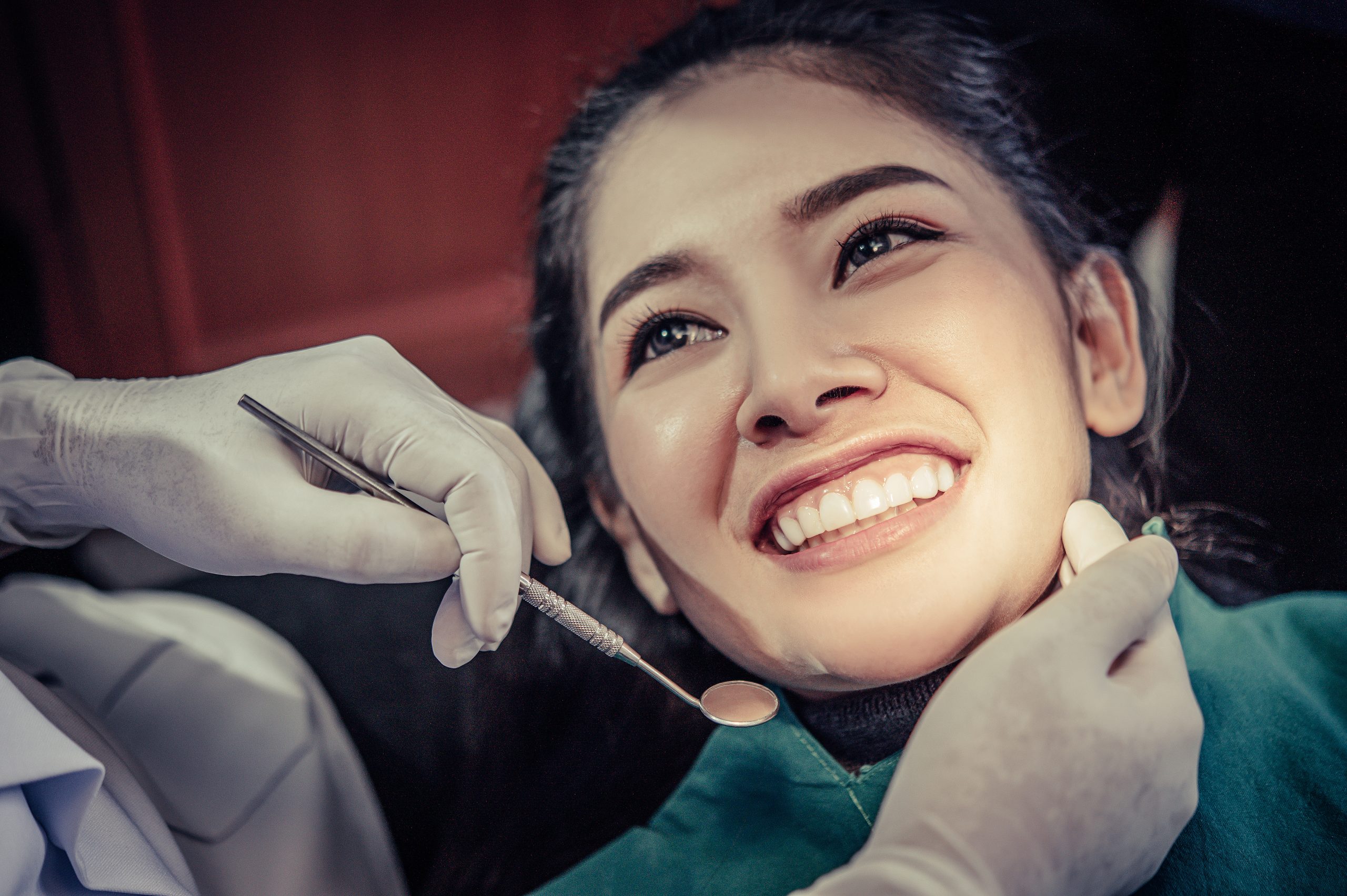
Sometimes, a smile puts you in a different atmosphere, and how you interact with people changes. However, potential flaws, such as color, position, and damage, may cause discomfort. A cosmetic dentist is one who focuses on the aesthetic of your dental and, at the same time restores the functionality of the teeth. Their approach through a modern outlook to dental healthcare means they can fix your dental problems while making sure your smile looks as beautiful as it should. It is now time to discuss how those treatments impact your smile and dental performance.
Cosmetic dentistry services not only enhance the look but also treat and prevent dental damage. Be it a simple teeth whitening procedure or implant, these services are made according to the required specifications. Cosmetic dentistry and modern techniques yield your smile to be that of aesthetic nature and structural strength.
Some causes of discoloration of the teeth include stained teeth that may hamper the smile you need. A cosmetic dentist provides you with professional teeth cleaning to regain its normal shine. This procedure is fast and effective, and the result will be durable. For severe staining, veneers may be utilized to produce a perfect appearance.
Basically, any broken, chipped, or missing tooth can make the smile look bad and be less useful. Repairing chipped and cracked surfaces well is possible with cosmetic work like bonding and veneers. Bonding fills a hole in your teeth with a clear plastic resin that matches the color of your other teeth and veneers. This gives your teeth and veneers a smooth, shiny finish that looks good and is strong.
Having your teeth out of place can make it hard to chew and speak. With braces, clear aligners, or veneers from a cosmetic dentist, you can fix problems with your teeth’s alignment. These things do more than just make your teeth look better. They keep your mouth healthy by keeping cavities and gum disease at bay.
In addition to aesthetics, a cosmetic dentist ensures that cosmetic dentistry treatments make your teeth work better. Treatments such as crowns and inlays build up compromised teeth so that they are fit to withstand everyday use. These treatments also prevent any further harm to maintain good oral health.
A cosmetic dentist does not just make your smile beautiful; they make it functional and healthy. By choosing from a variety of cosmetic dentistry options, you can achieve the smile makeover of a lifetime. Contact a reliable cosmetic dentistry service at once to discuss your best solutions. As this, you can stand to get a glowing and fully functional set of teeth out in the open!
Who doesn’t want whiter, brighter teeth? The teeth-whitening buzz has been there for years. And you won’t be surprised to know about its constantly growing popularity. Now comes the question: is DIY teeth whitening worth it? Let’s discuss that to help you gain clarity on the truth. Read on.
Drink and food stains will always bother your teeth. However, since stains can be either extrinsic or intrinsic, polishing and scaling alone may not be effective. In such cases, you can opt for micro-abrasion and teeth whitening. It combines the use of cosmetic dentistry, controlled chemicals and micro-abrasive materials. But what can you expect from it?
You may hear a lot about DIY teeth whitening methods. We have a few names that are popular on the Internet. Our list includes kaolin clay, activated charcoal, apple cider vinegar, baking soda and fruit peels. Like many people, you might want to try one of these to see the results for yourself. But do you know they can become the cause of tooth damage?
Erosion Problems– Chemicals and acid can damage the tooth structure and cause erosion. And you won’t believe the aftereffects. Like what? After the dentine and enamel layers strip away, you may experience tooth sensitivity. And tooth enamel erosion would push you toward a complex treatment.
Tooth Abrasion– Do you depend on activated charcoal for whiter teeth? It’s time to know its harmful effects causing tooth abrasion. But you can control abrasion only with trusted dentists. That’s because teeth whitening services lower the chances of damage to your tooth surface.
The Possibility of Harm– While DIY teeth whitening might seem a quick and easy solution, it’s important to be cautious and not get swayed by common misconceptions. Instead, always take precautions and ask a health expert first. A few of these DIY methods can cause problems like gastric upset and mouth ulcers.
The Cycle of Risk– How would it feel to keep making the same mistake over and over? Likewise, people repeating the DIY methods increase the chances of severe tooth damage. As a result, they trap themselves in this risky cycle, only to eventually end up at the dentist.
Despite the allure of DIY teeth whitening methods, the reality is that they can have serious side effects. By avoiding these risky practices and opting for professional dental services, you can achieve a whiter, brighter, and safer smile.
Looking good without a confident smile is incomplete satisfaction. And a chipped or misshapen tooth goes a long way in pulling away that confidence. So, what do you need to do? You need a procedure to reshape or resize your chipped tooth. That’s what teeth contouring provides. After a dental X-ray, your dentist will decide if teeth shaving (the other name for contouring) suits you. But first, let’s look at this procedure, its benefits, and more.
Frees Up Space and Avoids Crowding– Crowded teeth often cause misalignment, unbearable jaw pain, and crooked teeth. In these situations, teeth shaving or contouring can create more space inside your mouth. That way, you can say goodbye to issues arising due to teeth crowding.
Teeth Shaving Reshapes Chipped Tooth – What’s wrong with a small chip? Your low confidence while seeing that chipped tooth in the mirror says it all. Thanks to teeth contouring, you can bring back your lost smile again.
Using Veneers to Close Gaps or Change Teeth Size– A dentist may recommend a veneer to cover your tooth’s front part. Besides covering a damaged tooth, this procedure helps to close gaps or change your tooth’s color, shape, or length.
Teeth Contouring is Helpful Before Crown Addition– Dentists usually require teeth shaving or teeth preparation before adding a crown. And as this crown covers the tooth, you can’t spot signs of filing or shaving.
Helps with Proper Bite Adjustment- If your upper teeth fail to match correctly with your lower teeth, your dentist may recommend contouring the tooth. That way, you can achieve bite alignment and avoid chances of pain and sensitivity.
Teeth shaving is usually safe and conservative when removing a bit of your teeth’s enamel layer. However, the risks may appear on performing it over a damaged tooth. Also, excess removal of the enamel layer can cause tooth pain and sensitivity. So, it would help if you always discuss the risk possibilities with your dentist before scheduling an appointment.
As teeth contouring only focuses on your tooth’s uppermost layer, it is pain-free. Any involvement with your tooth root or pulp could have led to pain. Patients often don’t feel the need for an anesthetic during the procedure.
Budget becomes a vital thing to consider before going for teeth shaving. And here comes the relief- teeth contouring is less costly than other dental treatments. However, the cost may vary depending on the shaving extent, the dental practice, and your location. You must also note that your insurance provider won’t cover costs for any cosmetic dental procedures.
Do you have a chipped tooth? Is misalignment causing any chewing or biting issues? Then, you are the right fit for teeth shaving. You must consult a trusted dentist to learn more about it.
It’s always risky to attempt teeth shaving at home. You will likely shave more, going below the enamel layer. And what’s worse than exposing teeth roots and pulp only to experience cavities and other dental issues? So, DIY is a strict no-no.
Shaving your teeth becomes necessary to boost their appearance. Although you may feel it’s the right procedure, it’s always better to consult a dentist first. These professionals will look for problems with a careful dental X-ray. Then, they will decide what’s best for your teeth and help you regain your lost smile and confidence. So, always consult a well-known dentist when you spot issues in your teeth alignment.
A bright, radiant smile is often considered a symbol of health and confidence. Everyone wants to look beautiful and smile brightly. Thus, teeth whitening procedures have become increasingly popular. One common question individuals contemplating teeth whitening ask is, “How long does professional teeth whitening last?” In this blog, we will explore the factors influencing the longevity of professional teeth whitening and provide insights into maintaining a dazzling smile.
Professional teeth whitening is a cosmetic dental procedure performed by qualified dental professionals. The process typically involves the application of a bleaching agent, usually hydrogen peroxide or carbamide peroxide, to the teeth. The active ingredients penetrate the enamel, breaking down stains and discolorations. Unlike over-the-counter products, professional teeth whitening ensures a more controlled and potent treatment, resulting in a visibly whiter smile.
You may need multiple treatments to get the expected shade. Once you achieve the desired results, you can expect them to last 6 months to 2 years, depending on your lifestyle. With the recommended touch-ups prescribed by your dentist, you can extend the results up to 3 years.
Healthy gums contribute to the overall appearance of the teeth. Ensuring optimal gum health can positively impact the longevity of teeth whitening.
Several factors affect the cost of teeth whitening treatment. The prominent ones include severity of discoloration, type of procedure, location, and reputation of the dentist. Generally speaking, the price of whitening treatments may vary between $500 and $1000.
Conclusion:
While professional teeth whitening can provide a noticeable improvement in the color of your teeth, its longevity is influenced by various factors. Individual characteristics, treatment methods, post-whitening care, and overall oral health play pivotal roles in determining longevity. How long does the professional teeth whitening last? Consult your dentist to tailor a teeth whitening plan that suits your needs and ensures a radiant smile.
Are you dealing with a damaged or fractured tooth? Perhaps you’re contending with a decayed or infected tooth, both of which can significantly impact your smile and overall dental well-being. When it comes to addressing these issues, you essentially have two choices – a root canal or extraction. Join us as we delve into the comparison between root canal vs extraction, aiming to help you determine which option better suits your needs.
The root canal removes the damaged or dead pulp, cleans the area, and seals it to prevent further damage. The pulp is known as the innermost layer of a tooth. It facilitates proper blood flow to the tooth. The pulp gets damaged or infected if you have a deep cavity or cracked or broken tooth. Bacteria from your mouth enter the pulp to cause damage, leading to swelling, infection, and dead pulp.
The endodontist may install a crown on top of the tooth to retain the strength and look. Local anesthesia is given before this procedure. Are you searching for root canals near me? Choose a renowned clinic with a clean track record to enjoy the best results.
As the name suggests, it extracts the damaged or broken tooth from the socket. You can seek the help of a periodontist or a dental surgeon to perform the extraction. Localized anesthesia is administered before the procedure to prevent pain and discomfort.
These two procedures offer a permanent solution to your damaged or decayed tooth. The main difference is that the root canal saves your natural tooth, while extraction lets the tooth go. However, extraction is the only solution available if you have a large cavity that has already destroyed the tooth structure. A crack that extends below the gumline is also difficult to repair. If it is beyond repair, extraction is the obvious choice.
The root canal is the best and most natural method to fix a damaged or decayed tooth. It restores your natural smile and dental health by addressing the root cause of the issue. Even if a slight chance exists to repair the tooth, you can opt for a root canal. After the extraction, you may need an implant or bridge to replace the missing tooth. It makes extraction costlier than a root canal.
Root Canal Vs Extraction- which one is the better option? The fundamental difference is that the root canal solves the problem and offers you a natural healthy tooth. Tooth extraction eliminates the issue and keeps the area empty. You must refill it with an artificial tooth to enhance your look.
Do you want to improve your teeth function? Are you looking for a cost-efficient solution to enhance your smile? Look no further than dental crowns. This treatment uses a custom tooth-shaped cap to cover the damaged, broken, or stained teeth. Many times, dental fillings fail to deliver the expected results. In such a situation, crowns are the best procedure available.
Do you want to strengthen a weak tooth? You can opt for a dental crown. This dental procedure also safeguards and supports a cracked tooth along with restoring a broken tooth. Other situations where dental crowns provide excellent results include covering a dental implant, protecting teeth after the root canal treatment, and masking stained teeth. Further, crowns can be used to keep a dental bridge in place.
Your dentist will evaluate your requirements and conduct a health analysis before initiating the dental crown procedure. Following this, the next stage involves creating an impression of your teeth. To accomplish this, your dental practitioner will utilize X-rays to detect your damaged, broken, or discoloured teeth. Subsequently, the tooth impression is dispatched to the laboratory, where a mould is crafted to serve as a temporary crown for essential protection. This temporary crown will be fitted in your mouth until the final crown arrives from the laboratory.
Acrylic is the material used to make interim crowns. At the same time, permanent crowns are made using more durable materials. The most popular material available today is porcelain. Dental technicians combine porcelains with metal alloys to make crowns highly long-lasting. Porcelain crowns look exactly like natural teeth. It is also an affordable treatment. Therefore, many people prefer porcelain crowns these days.
Another option available is ceramic crowns. These crowns are lighter than the porcelain variation and are also a cost-efficient alternative. Further, it provides a natural look. However, you need to spend a considerable amount of time maintaining it and cannot expect the same longevity as porcelain crowns.
Metal and gold alloys are highly favoured dental crowns that attract many people. The longevity of these crowns is unbeatable. They may last up to 15 years. Therefore, these procedures are more expensive than other options. However, you cannot expect the same natural look of porcelain or ceramic crowns.
You don’t need to worry about pain or other discomforts when undergoing dental crown treatment. The dentist administers a small dose of anesthesia before the treatment. You may experience a slight pain when the effect of anesthesia subsides. It only lasts for a few minutes or an hour.