How AI Is Improving Modern Dentistry

dental-treatment-care

AI, in Modern Dentistry is changing the way dentists care for patients. Today dentists use tools to check teeth plan care and study dental images. Also modern dental technology helps dentists get information. As a result dental care can be more organized and precise.

How AI in Modern Dentistry Helps With Dental Checks

AI can help dentists look at images. For example AI can study X‑rays and dental scans. AI may point out areas that need attention.

However AI does not replace the dentist. Instead AI gives dentists information. The dentist then checks the results. Decides what care is needed.

AI and Digital Dental Scanning

Digital scanning has become a tool, in todays world. An intraoral scanner can capture a picture of your mouth without the materials that were used for old impressions.AI also plays a role. It can sort out the 3- pictures of the teeth so that they are easy to view.

With this data dentists can plan treatments accurately. Digital scanning gives dentists a map of the teeth.

Better Treatment Planning With AI

Dental treatment often requires types of information. AI tools can help dentists review this information. For example AI tools can work with images and digital scans.Also dentists can look at records during treatment planning. As a result dentists can get a view of the teeth and mouth.

AI, in dentistry can support this process. Still the dentist makes the treatment decisions.
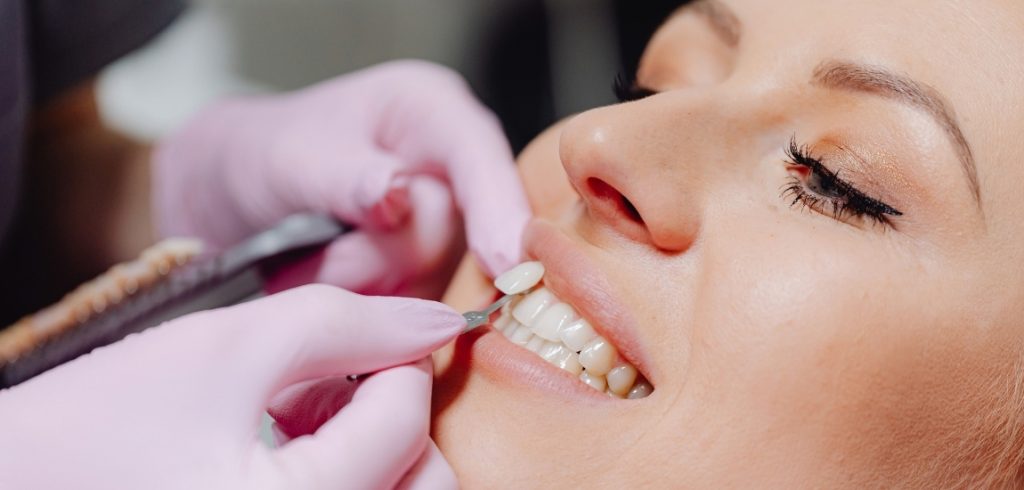
Dental-care-treatment

AI in Dental Restorations

I see that AI is also being used in restoration work. Digital tools can help design crowns, bridges and other restorations.

Moreover modern dental technology can work with CAD/CAM systems. These systems help create designs, for dental restorations but the dentist and dental lab team still check the final work.

More Personalized Dental Care

Every patient is different. Therefore, dental care should fit each person’s needs.
AI can help dentists review digital images and records. It may also help find patterns in the data. This can support treatment planning.
However, the dentist’s exam is still very important. The dentist uses their training and the patient’s needs to choose the right care.

What Patients Can Expect From AI Dentistry

AI does not make dental care fully automatic. Instead it works with dentists and other digital tools.

For example patients may see digital scans and advanced imaging. They may also have computer-assisted treatment planning.

As modern dental technology grows these tools may become more common. However dentists will continue to guide care.

Final Thoughts

I see AI in Modern Dentistry bringing tools into dental care. AI, in Modern Dentistry can help with imaging, digital scanning, treatment planning and restorations.

At the time modern dental technology keeps improving. These tools can help dentists work with digital information. Importantly the dentist remains at the center of patient care.

Frequently Asked Questions

How does AI help dentists?

AI can help dentists analyze digital images and organize information. It can also support treatment planning and digital dental workflows.

AI can help process digital information and support treatment planning. The dentist uses this information along with an examination and clinical judgment.
AI tools used in dentistry are designed to support dental professionals. Their appropriate use depends on the technology, clinical setting, and professional oversight.
Some digital workflows may help reduce certain manual steps. However, appointment time depends on the treatment, technology, and individual patient needs.

What Is the Best Way to Whiten Teeth? Safe & Effective Methods Explained

What-Is-the-Best-Way-to-Whiten-Teeth-Safe-Effective-Methods-Explained

A bright white smile can leave a first impression. It usually makes people feel more confident and helps them take care of their teeth. With so many products and treatments for whitening a lot of people wonder, “What is the best way to whiten teeth?”

The answer changes based on a few things like why the teeth are discolored the health of the mouth the money available and how fast someone wants to see results.

In this guide you will learn the best ways, to whiten teeth what really works what does not work and how to keep a brighter smile for many years to come.

Why Do Teeth Become Yellow or Stained?

So you want to know why your teeth get discolored. This is important because it helps you pick the way to make your teeth white again.

There are some things that can make your teeth discolored. These things are:

  1. Coffee and tea
  2. wine
  3. Smoking or using tobacco
  4. Getting older
  5. Not taking care of your teeth
  6. Taking kinds of medicine
  7. Having much fluoride when you were a kid
  8. The way your body is made which is genetics
  9. Eating foods that’re dark, in color like berries and soy sauce

For example:

let us talk about Sarah. Sarah drinks three cups of coffee every day. She does not use a straw very often. After five years Sarah noticed that her teeth were getting yellow. She went to see a professional. They did a teeth whitening treatment on her. This treatment was able to remove most of the stains from the surface of Sarahs teeth.

Different Types of Tooth Stains

Extrinsic Stains

These stains occur on the outer enamel.

Common causes:

  1. Coffee
  2. Tea
  3. Tobacco
  4. Wine
  5. Curry

These are usually easier to remove with whitening treatments.

Intrinsic Stains

These stains develop inside the tooth.

Common causes:

  1. Aging
  2. Trauma
  3. Certain antibiotics
  4. Excess fluoride

These stains often require professional treatment or cosmetic dentistry. 

What Is the Best Way to Whiten Teeth?

There isn’t one perfect solution for everyone. The best option depends on your needs.

1. Professional Teeth Whitening (Best Overall)

Professional whitening performed by a dentist remains the safest and most effective option.

  • Benefits
  • Fast results
  • Strong whitening agents
  • Even whitening
  • Dentist supervision
  • Less risk of gum irritation

Many patients see teeth become 5–8 shades lighter in a single appointment.

Example

John had yellow stains from years of smoking. After one professional whitening session, his smile looked dramatically brighter before his wedding.

Best For:

Deep stains

Quick results

Sensitive teeth

Special occasions

2. Custom Take-Home Whitening Trays

Dentists can create custom trays that fit your teeth perfectly.

You wear them daily with professional whitening gel.

Advantages:

  • More comfortable
  • Even whitening
  • Better than store-bought trays
  • Lower sensitivity
  • Results usually appear within one to two weeks.

3. Whitening Strips

Whitening strips are one of the most popular at-home treatments.

Pros:

  • Affordable
  • Easy to use
  • Good for mild staining

Cons:

  1. Uneven results
  2. May cause tooth sensitivity
  3. Less effective on deep stains

Example:

Emily used whitening strips for two weeks before her graduation and noticed her teeth became about three shades whiter.

4. Whitening Toothpaste

Whitening toothpaste removes surface stains rather than changing the natural color of teeth.

Most contain:

  1. Mild abrasives
  2. Hydrogen peroxide
  3. Baking soda

This option works best for maintaining whitening results.

5. Whitening Pens

Whitening pens are convenient for travel.

Advantages include:

  1. Quick application
  2. Portable
  3. Good for touch-ups

However, they are not ideal for heavily stained teeth.

6. LED Teeth Whitening Kits

Many teeth whitening kits mix whitening gel with a light.


These kits can make results better, than using whitening gel by itself. They usually do not work as well as professional whitening.

Do Natural Teeth Whitening Remedies Work?

People are always looking for ways to do things.

Let us look at some options we have.

Baking Soda

Baking soda is great for getting rid of stains on the surface.

We should only use baking soda sometimes because if we scrub much with baking soda it can hurt the enamel on our teeth.

Baking soda is a thing to use to clean our teeth but we have to be careful, with baking soda.

Hydrogen Peroxide

Lots of teeth whitening products already have hydrogen peroxide in them.

You should not use hydrogen peroxide without a dentist telling you it is okay.

Activated Charcoal

There is not a lot of proof that charcoal toothpaste really works.

Some of these products can be too rough on the teeth. Hurt the enamel.

Lemon Juice

Do not use lemon juice on your teeth.

The acid in lemon juice is bad for your teeth. Can hurt them really badly.

Coconut Oil Pulling

Some people think that swishing oil around in your mouth is good, for your teeth.

Oil pulling might make your mouth cleaner. It does not really make your teeth whiter.

Professional Whitening vs At-Home Whitening

Feature

Professional Whitening

At-Home Whitening

Speed

Excellent

Moderate

Results

Superior

Good

Safety

High

Depends on use

Cost

Higher

Lower

Long-lasting

Yes

Moderate

Dentist Supervision

Yes

No

Which Whitening Method Is Best for You?

Choose based on your situation.

Coffee Drinkers

If you want to get your teeth really white you should get professional whitening and then use whitening toothpaste.

Smokers

Professional whitening is usually the way to go because it really works.

If you smoke you should quit because that will help prevent stains on your teeth in the future.

Sensitive Teeth

When you are picking a product to whiten your teeth you should choose one that your dentist says is okay especially if you have teeth.

Budget-Friendly Option

You can also try whitening strips because they are pretty good. They do not cost as much, as professional whitening.

How Long Do Whitening Results Last?

Results vary depending on lifestyle.

Typical duration:

  • Professional whitening: 1–3 years
  • Whitening strips: 3–6 months
  • Whitening toothpaste: Ongoing maintenance
  • LED kits: 6–12 months

Avoiding stain-causing foods helps extend results.

Tips to Keep Your Teeth White Longer

Brush Twice Daily

Good oral hygiene prevents new stains.

Floss Every Day

Floss removes plaque between teeth.

Drink Through a Straw

Using a straw reduces contact between dark beverages and your teeth.

Rinse After Coffee or Wine

A quick rinse minimizes staining.

Visit Your Dentist Regularly

Professional cleanings remove plaque and surface stains.

Avoid Tobacco

Smoking quickly causes yellow and brown stains.

Foods That Help Keep Teeth White

Some foods naturally clean teeth while chewing.

Examples include:

  • Apples
  • Carrots
  • Celery
  • Cheese
  • Yogurt
  • Strawberries (in moderation)

These foods support oral health but should not replace proper whitening treatments.

Common Teeth Whitening Myths

Myth 1: Whitening Damages Teeth

False.

  • Professional whitening is safe when performed correctly.

Myth 2: Whitening Works Forever

False.

  • Maintenance is necessary.

Myth 3: Everyone Gets the Same Results

False.

  • Results depend on stain type and tooth condition.

Myth 4: More Whitening Gel Means Better Results

False.

  • Overusing whitening products may increase sensitivity without improving results.

When Should You Avoid Teeth Whitening?

Consult your dentist before whitening if you have:

  1. Cavities
  2. Gum disease
  3. Cracked teeth
  4. Dental crowns or veneers
  5. Pregnancy or breastfeeding (unless advised otherwise)
  6. Severe tooth sensitivity

Treating underlying dental issues first leads to safer and more effective whitening.

Frequently Asked Questions (FAQs)

Professional in-office teeth whitening provides the fastest and most noticeable results, often in a single visit.

Yes. Most surface stains can be significantly reduced with professional or at-home whitening treatments.

Follow your dentist’s recommendations. Most people only need occasional touch-ups after professional whitening.

Some people experience temporary sensitivity, but it usually resolves within a few days.

Yes. Professional whitening offers faster, safer, and more predictable results than most over-the-counter products.

Final Thoughts

The best way to make teeth whiter depends on what you want how money you have and what kind of stains you have. The best option, for the most lasting results is getting teeth whitened by a dentist. If you want something whitening strips, custom trays or LED kits can also help make teeth look better if used the right way.

No matter which way you pick taking care of your mouth avoiding foods and drinks that make stains and going to the dentist often are important, for keeping your smile bright. With the way and regular care you can have a healthier whiter smile that stays for many years.

Tooth Restorations: How Can They Bring Your Smile Back?

Dental-Restoration-Services
Do you ever wonder how chipped, missing, or damaged teeth can be restored in a fast and effective manner? Well, look no further! The answer to your question can be found in tooth restoration.
At Preferred Dental Care, located in Davie, FL, we pride ourselves on providing our skilled clients with the highest level of efficacy through our expertise in the restoration of both damaged teeth and a beautiful smile.
If the current condition of your teeth is causing you to feel embarrassed or have low confidence, then our team of professionals are qualified to assist you with returning your teeth to their original condition using all safe restoration options available. If you are looking for Dental Restoration Services, your search is over – we’re here to help you with a healthy, beautiful smile!

Why Choose Tooth Restorations?

Tooth restorations prevent further decay, relieve pain, and improve chewing and speaking. They also protect your natural teeth and maintain your jaw structure.

Types of Dental Restoration Services

  • Fillings: Repair small cavities and restore tooth shape.
  • Crowns: Cover damaged teeth and strengthen them.
  • Bridges: Replace one or more missing teeth.
  • Dental Implants: Permanent solutions for missing teeth.
  • Veneers: Improve the look of worn or chipped teeth.

The advantages of dental restorations

Dental restorations will not only offer benefits in terms of oral health but also improve your self-esteem by allowing you to speak, eat, and smile without discomfort, as well as preventing future dental issues from occurring.

Finding a Nearby Dental Restorative Office

To find a dental office near you that provides dental restorations, search for an office offering new technology, experienced dentists, and patient reviews. You can confirm you’ve found an office by searching for ‘dentist who performs dental restorations near me’ as well as ensuring that the dentist offers personalized attention and thoroughly explains all of your treatment steps.

Choosing the Right Dental Restorative Dentist

There are many dentists who offer restorative dental care, but choosing one based on the quality of their treatment will ensure that you receive the highest quality care from a dentist with a positive reputation. This can help ensure that you are successful in finding a dentist who provides restorative care while utilizing the latest advances in restorative dentistry to provide a better result.

Take the First Step Today

Do not wait until the condition of your teeth deteriorates. Reach out to us at Preferred Dental Care Davie to discuss your professional dental restoration near me opportunities. Your smile is worth the best!

FAQs

Are restorations painful?

No, procedures are designed to be comfortable with local anesthesia if needed.

How long do restorations last?

Depending on the type, restorations can last from 5 years to a lifetime.

Can anyone get a dental restoration?

Most people can, but your dentist will assess your oral health first.

Dental Radiography Services Explained: Types, Uses, and Benefits

Preferred-Dental-Care-Dentist-use-X-Rays-for-dental-treatments

What are dental radiography Services or dental X-rays services and why do dentists use them?

Dental X-rays Services or Dental Radiography Services help dentists see problems that eyes cannot see. They show teeth, roots, bones, and gums clearly. Because of this, dentists find issues early and treat them fast.

What is Dental Radiology?

Dental Radiology provides practitioners with an effective way to evaluate the health of a patient’s teeth and jawbone. As a result, dentists rely on it to detect cavities, bone loss, infections, and misaligned or damaged teeth. Also, the radiographs taken during the appointment will help to determine the course of action for the patient, including whether they will require additional cleaning(s), injection(s) or other treatment(s) to effectively treat their condition.

There are Different Types of Dental Radiographs

1. Bitewing Radiographs
Therefore, dentists commonly take bitewing radiographs during routine checkups. They provide the dentist with a view of the upper portion of the tooth. These images can indicate the presence of tooth decay, and also can be used to identify the first signs of periodontal disease.
2. Periapical Radiographic Images
These are some of the best images available to dentists for diagnosing root canal issues, infection(s), and changes in bone density caused by the roots of the teeth. Because of this, dentists use periapical images to accurately diagnose dental pain and swelling.
3. Panoramic X-rays
This type shows the full mouth in one image. It includes teeth, jaws, and sinuses. Therefore, dentists use it for wisdom teeth, jaw problems, and treatment planning.
4. Occlusal X-rays
These X-rays show how teeth line up. They help find extra teeth, fractures, or growth issues. Also, they support care for children and orthodontic patients.

Why Dental Radiography Services Matter

Dental Radiography Services support early diagnosis. Because problems show up sooner, treatment stays simple and less costly. Also, dentists avoid guesswork and protect healthy teeth. As a result, patients feel safer and more confident.

Are Dental X-Rays Safe?

Dental x-rays do not pose a health risk because modern x-ray equipment uses minimal radiation. Most dentists will provide patients with protective gear or lead aprons to ensure safety for both adults and kids. Dentists only take dental x-rays when absolutely necessary.

What is the Recommended Time Frame for Receiving Dental X-Rays?

The determination by a dentist for when to take dental x-rays is based upon a patient’s age, medical history and any symptoms they may be displaying at that time. Having regular dental check-ups will help keep your mouth healthy and may save you from having to spend more money on extensive treatment later on. If you live in Davie and are searching for ‘dental x-ray services near me’ make sure the facility has state-of-the-art technology and is following the proper safety protocols.

Conclusion

Dental imaging is an important component in preventing oral disease, protecting the integrity of your smile, and preserving your oral health over time. Because of this, regular dental X-rays help maintain healthy teeth and allow dentists to find problems early.
Frequently Asked Questions (FAQs)

What kind of X-rays do dentists do?

A full-mouth series of periapical X-rays (about 14 to 21 X-ray films) is most often done during a person’s first visit to the dentist. Bitewing X-rays are used during checkups to look for tooth decay. Panoramic X-rays may be used now and then.

Which dental X-ray is best?

Bitewing X-rays are among the most common types and are typically taken during routine dental check-ups. These X-rays capture images of the upper and lower teeth in a specific area, allowing dentists to assess the presence of cavities and monitor the health of the supporting bone. 

Do tooth X-rays show root problems?

X-rays help confirm the need for a root canal by revealing decay, infection, or abscesses. They provide a clear image of the tooth’s root structure, helping the dentist plan the procedure effectively.

Can a dentist see a tooth infection on an X-ray?

A tooth that has an abscess at its root is generally sensitive to touch or pressure. Recommend an X-ray. An X-ray of the aching tooth can help identify an abscess. Your dentist may also use X-rays to determine whether the infection has spread, causing abscesses in other areas.

What are the early warning signs of gum disease? What is the treatment?

What-are-the-early-warning-signs-of-gum-disease-What-is-the-treatment-for-gum-disease

What are the early warning signs of gum disease? What is the treatment?

Gum disease often begins quietly. In many cases, there is little or no pain at first. However, you may notice a problem when your gums look red, swollen, or feel sore. Also, bleeding during brushing is an early warning sign. Fortunately, with early care, it can often be controlled.

Understanding Periodontal Disease and Gum Tissue Disease

Periodontal disease affects the gum tissue around your teeth. It usually starts when bacteria build up along the gum line. As a result, the gums become inflamed.

A healthy smile starts with healthy gums. Therefore, the team at Preferred Dental Care in Davie focuses strongly on keeping gums healthy.

Early Warning Signs: What to Watch For

Gingivitis is the earliest stage of gum disease. At this stage, gums may look red and feel tender. Over time, bleeding may occur during brushing and flossing. This is often a sign of early gum inflammation.

In addition, bad breath may last longer than usual. Also, gums may begin to pull away from the teeth. If left untreated, the infection can worsen and spread to gum tissue and even bone.

What is the cause?

Plaque forms daily as a sticky layer of bacteria on teeth. However, when brushing and flossing do not remove plaque, it hardens into tartar. At that point, only a dentist can remove it safely.

As tartar builds up, it irritates the gums. Because of this, infection and inflammation develop. Moreover, several risk factors can increase the chance of disease. These include poor oral hygiene, smoking, diabetes, and genetics.

Treatment Options

In many cases, dentists can reverse early gum problems with professional cleanings and better daily care. As a result, swelling and bleeding often improve.

However, if the infection becomes more advanced, treatment may include scaling and root planing. This deep cleaning removes plaque and tartar below the gum line. Then, the tooth roots are smoothed so the gums can heal properly. In some cases, antibiotics are also used to control bacteria.

In severe cases, surgery may be needed. For example, pocket reduction or gum graft surgery can help repair and strengthen the gums. Ultimately, these treatments help prevent further damage.

Prevention and Supportive Care

Gum disease is preventable with daily oral care and regular dental visits. Therefore, brushing, flossing, and routine checkups are essential. At Preferred Dental Care, treatment plans are personalized to meet each patient’s needs.

If you notice bleeding gums or bad breath, schedule a dental visit as soon as possible. By acting early, you can prevent serious damage and protect your smile for the long term.

Protect Your Smile with Dental Sealants

Dental-Sealants

Keeping teeth strong and healthy is important for everyone, especially kids. First, one easy way to protect teeth is with dental sealants, which are thin coatings put on the chewing surfaces of back teeth. These coatings, therefore, stop germs and food from getting stuck, so teeth become easier to clean. Moreover, sealants help both kids and adults and work best when teeth are new. Along with brushing every day and visiting the dentist, they help keep teeth healthy and give good cavity protection.

What Dental Sealants Are and How They Protect Teeth?

Sealants are thin, plastic-like coatings painted on the grooves of teeth. Thus, they stop germs and food from staying in hard-to-clean places. Most importantly, most sealants are clear or a little colored, so they match the teeth. In addition, this layer makes brushing easier and keeps teeth stronger for longer.
Also, applying sealants is quick and does not hurt. First, the dentist cleans the tooth, then paints the sealant, and finally hardens it with a special light. In total, the process takes just a few minutes for each tooth. Therefore, kids who are learning to brush properly can get extra help from sealants.

Key Benefits of Using Sealants for Healthy Teeth

Dental sealants, therefore, have many good points for keeping teeth healthy. They protect teeth from germs and make brushing easier. Also, they are safe for both kids and adults. They include:

  • Cavity Prevention: Sealants cover the grooves where food can get stuck.
  • Quick and Painless: Putting them on takes only a few minutes and does not hurt.
  • Durable Protection: Sealants last for many years before needing a new coat.
  • Cost-Effective: They stop cavities, which saves money on future dental work.

Overall, sealants are safe and help teeth stay strong. In addition, they help kids and adults build good brushing habits. They also reduce the risk of future dental problems. Moreover, using sealants makes daily dental care easier and more effective.

How Dental Sealants Help To Keep Your Teeth Safe?

Once applied, sealants create a strong shield over the teeth. This stops germs and acids from harming the enamel. They are especially helpful for molars, which have deep grooves that are hard to clean. Because of this protection, it is easier to keep teeth healthy and maintain a bright smile with regular brushing and dental care.
In addition, regular dental visits make sure sealants stay working well. Every six months, the dentist can check and fix them if needed. Also, parents can show kids how to brush correctly and encourage dental care for kids to get the most benefit.

When Should You Get Dental Sealants?

Sealants work best on new permanent teeth. Kids usually get them on their first molars around age six. They get second molars around age twelve. Adults can get them too if teeth need extra care. Using them early helps teeth stay strong and healthy.
Talk to a dentist to know the right time for dental sealants. Early protection keeps teeth healthy. It also stops problems and reduces bigger dental work later. Regular checkups make sure the sealants stay in place. They help keep teeth safe.

Keep Your Smile Strong and Safe

Protecting teeth is easier than it seems. By brushing every day, visiting the dentist, and simple care, teeth stay strong. Also, doing these small steps now keeps your smile bright and healthy. For extra protection, dental sealants are easy, safe, and painless. They, therefore, help kids and adults keep strong teeth and make daily dental care simple. Altogether, sealants help teeth stay healthy and make smiles last a long time.

Why Clear Aligners Are a Smart Smile Choice for Teens?

clear-aligners

When it comes to fixing crooked teeth, clear aligners are becoming very popular. Teenagers today love them because they are simple, comfortable, and almost invisible! Unlike traditional metal braces, these aligners make the journey to a perfect smile easier and much more fun. Let’s explore why these are becoming the first choice for so many teens.

What Are Clear Aligners?

These are made in customised trays crafted from smooth, transparent plastic. They fit very comfortably over your teeth and gradually guide them into the proper position. These aligners are custom-made, which means they are built just for you. The best part is that they can be taken off while eating or brushing, making life super easy. This is one big reason why teens find them more comfortable than metal braces.

Why Teens Do Not Prefer Braces?

Teens find them appealing for a variety of good reasons. First, they do not have sharp wires that can hurt the mouth. Another advantage is that they’re nearly invisible, allowing teens to smile with confidence at school or in photos. Also, they do not stop teens from eating their favorite foods because the aligners can be taken out anytime.
Another great thing is that clear aligners are super easy to clean. You just need to rinse and brush them with a soft toothbrush. This keeps them fresh and helps your teeth stay healthy while they are moving into place.

Clear Aligners vs Braces: What’s the Difference?

Many people wonder whether braces or clear aligners are the better choice. Both can help fix crooked teeth, but they are not the same. Braces have metal parts that stay on your teeth until the dentist removes them. On the other hand, you can remove them while eating or brushing your teeth.

How Aligners Help Build Confidence?

Metal braces can sometimes make teens feel self-conscious, while aligners often help them feel more confident about their smile.. As these aligners are clear, most people will not even notice them. This makes teens feel happy and free to smile. Plus, since they’re smooth and comfortable, teens don’t have to worry about soreness or cuts inside their mouth.

The Clear Winner for Teen Smiles

In the end, clear aligners are a wonderful choice for teenagers who want straight teeth without the trouble of metal braces. They are simple to wear, easy to clean, and help teens feel good about their smiles. With all these benefits, it’s easy to see why more teens are choosing these aligners every day.

When Having Root Canal Pain, Follow The Amazing 5 Tips – Dentist Guide

We frequently associate root canal pain with discomfort, which is not unusual. But that’s only one of many untruths associated with root canals. The therapy’s goal is to ease any discomfort brought on by severe tooth decay and infection, not to harm you. Therefore, learn all there is to know about speeding up root canal pain healing. You’ll discover how to return to yourself after a short rest period.

dentist-guide-on-root-canal-pain

Amazing 5 Tips–

  •    Seek help:

Follow your dentist’s instructions for taking your antibiotics.

A root canal was necessary for the majority of problematic teeth. It is typical for a tooth that has had endodontic therapy to be sensitive for a short period following the start of the procedure throughout the root canal healing phase. The medication takes at least 24 to 48 hours to start working if your dentist recommends antibiotics for the infection in the tooth.

  •    Avoid hard food:

In the days following a root canal, avoid crunchy, and rough foods

To lessen Root canal pain following root canal therapy, stick to softer foods and chew on the other side of your mouth. The traumatizing biting pressure might need to be adjusted by your dentist if the tooth continues to be sensitive. The brittleness of a root-treated tooth increases.

  •    Avoid cold drinks:

Ignore drinking and eating cold and hot things

In other words, there is often a barrier between anything hot or cold that you put in your mouth from the nerves of your tooth. You feel the heat or cold so acutely without that protection that it starts to hurt. It’s far worse than a brain freeze for your teeth.

  •  Attention to the crown:

Take note if your crown causes you any issues.

Most people get a crown placed after a root canal treatment. The crown is frequently only temporary, while a permanent one is being made. Make sure you pay attention to how it feels because this crown is customized for your mouth, not permanently. Examine your bite to see whether it causes you any discomfort or irritability.

  •    Take care of oral health:

After the root canal, follow good oral hygiene practices

It won’t just speed up the healing after the root canal to maintain proper oral hygiene habits. Regular brushing and flossing can help improve dental health significantly. Lightly brush and floss the area to avoid irritating the temporary filling.

Conclusion

Consequently, this blog will help you to have relief from the canal pain. If you feel severe pain after a root canal discuss with your dentist or endodontist.

5 Signs You Need An Emergency Dentist

A good dentist is extremely crucial to keep your teeth healthy and safe. You should never run away from visiting a dentist as it might be a serious issue while you consider it to be a minor one. Visit an emergency dentist as soon as possible if you notice any of these signs.

You have a sharp, shooting pain when you’re chewing

If you have a sharp, shooting pain when chewing it could be trigeminal neuralgia. This nerve disorder affects the jaw and causes severe pain in the upper or lower teeth. It can be caused by something as simple as chewing on something hard for too long—or an injury may cause it to your face or neck that’s been left untreated for too long. If this happens to you take ibuprofen or aspirin.

Your gums are sore and bleeding

If you have sore, swollen gums, it can be a sign of an emergency dentist. This is because your gums are sensitive to brushing and flossing. Soreness can also occur if you’re having a dental problem or periodontal disease—a condition in which bacteria build up around the teeth and gum line, leading to bad breath and other oral health issues.

If your gums are bleeding when you brush or floss them, visit an emergency dentist immediately!

Your tooth is loose

If you have a loose tooth, it can be moved with your tongue. You may notice that the tooth’s root is visible and feel a slight pain in your jaw if you try to move it. Or you may have a bad taste in your mouth or even a fever.

If this sounds like something that might be going on with one of your teeth, don’t wait!

Your tooth is chipped or cracked

If the crack is small and can be filled with a filling, your dentist may recommend waiting. However, it’s best to get this issue looked at as soon as possible because if left untreated, it could become more significant and more challenging to repair.

If the crack has spread into the tooth’s enamel or dentin, it’s time for an emergency dentist appointment! In these cases, we will use a unique resin composite material called “resin composite restoration”. Which bonds seamlessly over chipped enamel or dentine. Hence, there are no visible signs of repair work on your teeth!

Your mouth is swelling

Swelling is a common sign that you may need emergency care. Infection, trauma, abscesses, and cysts or tumors can cause it.

Infection: A dental abscess or other infection in your mouth can lead to swelling around your gums. This type of swelling will often look like a tumor on the roof of your mouth. If you have pain from bleeding when biting down on food or brushing your teeth, this could also indicate something is wrong with your teeth and gums.

Trauma: If you’ve hit yourself hard enough to bruise or cut yourself while eating, that’s likely what caused the injury. It’ll probably hurt until those wounds heal over time.

Tumors: An abscess (a build-up of pus) under one tooth can cause swelling around it; similarly, a cyst (a growth inside another organ).

If you have any of these signs and symptoms, it’s time to contact an emergency dentist. They can help your tooth get recover quickly and painlessly.

5 Interesting Facts on Flossing That Everyone Should Know

Flossing helps get rid of any food particles along with plaque and other debris in your mouth. It helps prevent tooth decay and guards against gingivitis. But, just like eating a diet that is void of vegetables will have negative effects. So, not flossing your teeth on a regular basis can cause negative effects on your oral health too. The recommended frequency is every day to eliminate the plaque and bacteria. It accumulate between your teeth, reducing the chance of developing tooth decay and cavities. There are many facts on flossing and few answer to “why is flossing important?”.

Also Read: Is Dental Cleaning Necessary for Your Teeth?

Here Are Some Facts about Flossing and Preventing Misunderstandings:

After Flossing, Your Gums Must Never Bleed:

It’s not normal for your gums to leak or hurt after each dental flossing. If this occurs, make an appointment with your dentist immediately. They will determine if the bleeding gums are the result of gingivitis, a condition that causes inflammation in the gums. Do not take this warning lightly since it could cause gum disease if it is not treated. However, the initial stages of gingivitis can be treated by your dentist. It is one of the important facts on flossing.

Even Though You Brush Your Teeth Every Day, You Should Floss:

Brushing helps remove food particles and the bacteria that build up on your teeth. It is yet a more crucial fact in flossing. While it’s an essential part of your routine for oral health, however, brushing on its by itself isn’t the ideal method to keep the health of your mouth in top shape. Be aware that bacteria and plaque can become stuck between your gums and teeth. And it could cause tooth decay, inflammation as well as gum diseases. 

Your Dentist Is Aware When You Have Been Avoiding Flossing:

You might think what is the major cause of tooth decay? And that your dentist will not be able to tell if you’ve missed flossing however, they will detect. The most obvious sign is the accumulation of plaque, that has accumulated between your teeth for a long time and then calcified to tartar. And this solid substance that has formed due to infiltration of the minerals that have accumulated in your saliva. When tartar becomes stuck on your tooth, it is unable to be eliminated by flossing or brushing. It requires professional services which involve a procedure known as scaling.

Even If There Is No Food Stuck Between Your Teeth, You Should Floss:

Flossing is effective at reaching difficult-to-reach areas and eliminating food particles that have accumulated in the space between your teeth. In addition, it assists in getting rid of bacteria and plaque build-up that may be hiding in between your teeth, and it’s definitely another significant fact of flossing. You can shield your gums and teeth from the effects of plaque, which can trigger many health problems by flossing frequently.

Flossing Can Be Simple And Easy:

Flossing may seem like an effort, especially when you use the traditional floss system however it doesn’t have to be. There are flossers that can be purchased with a floss placed on the easy-to-use floss holder, so you can streamline the entire process. You can simply dispose of your floss in the trash immediately after using it.

Conclusion

Flossing is an essential aspect of maintaining your dental hygiene routine, and doing it daily after eating is essential for your oral health and overall health. So, it is essential to incorporate it into your routine for oral health and remember the above-mentioned facts. If you are experiencing dental problems due to not flossing, call a reliable dentist such as us right away.