How AI Is Improving Modern Dentistry

dental-treatment-care

AI, in Modern Dentistry is changing the way dentists care for patients. Today dentists use tools to check teeth plan care and study dental images. Also modern dental technology helps dentists get information. As a result dental care can be more organized and precise.

How AI in Modern Dentistry Helps With Dental Checks

AI can help dentists look at images. For example AI can study X‑rays and dental scans. AI may point out areas that need attention.

However AI does not replace the dentist. Instead AI gives dentists information. The dentist then checks the results. Decides what care is needed.

AI and Digital Dental Scanning

Digital scanning has become a tool, in todays world. An intraoral scanner can capture a picture of your mouth without the materials that were used for old impressions.AI also plays a role. It can sort out the 3- pictures of the teeth so that they are easy to view.

With this data dentists can plan treatments accurately. Digital scanning gives dentists a map of the teeth.

Better Treatment Planning With AI

Dental treatment often requires types of information. AI tools can help dentists review this information. For example AI tools can work with images and digital scans.Also dentists can look at records during treatment planning. As a result dentists can get a view of the teeth and mouth.

AI, in dentistry can support this process. Still the dentist makes the treatment decisions.
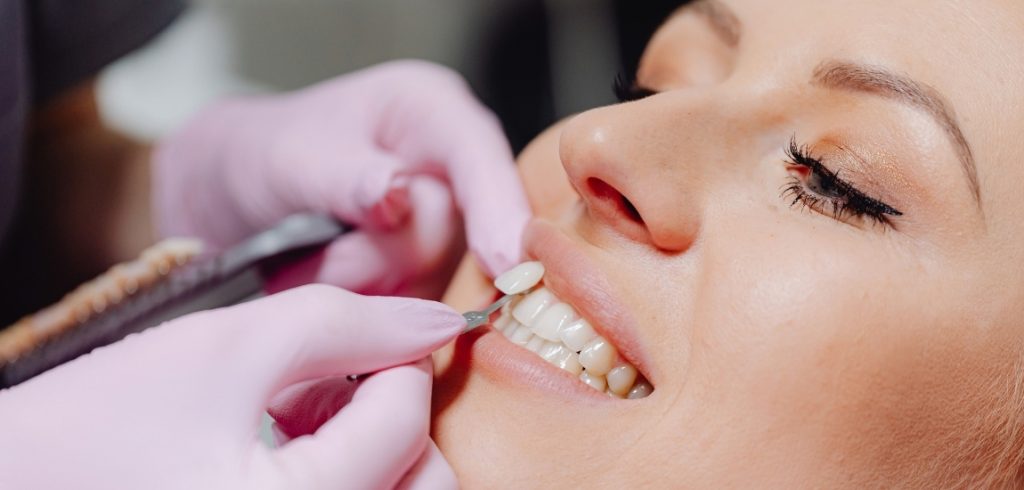
Dental-care-treatment

AI in Dental Restorations

I see that AI is also being used in restoration work. Digital tools can help design crowns, bridges and other restorations.

Moreover modern dental technology can work with CAD/CAM systems. These systems help create designs, for dental restorations but the dentist and dental lab team still check the final work.

More Personalized Dental Care

Every patient is different. Therefore, dental care should fit each person’s needs.
AI can help dentists review digital images and records. It may also help find patterns in the data. This can support treatment planning.
However, the dentist’s exam is still very important. The dentist uses their training and the patient’s needs to choose the right care.

What Patients Can Expect From AI Dentistry

AI does not make dental care fully automatic. Instead it works with dentists and other digital tools.

For example patients may see digital scans and advanced imaging. They may also have computer-assisted treatment planning.

As modern dental technology grows these tools may become more common. However dentists will continue to guide care.

Final Thoughts

I see AI in Modern Dentistry bringing tools into dental care. AI, in Modern Dentistry can help with imaging, digital scanning, treatment planning and restorations.

At the time modern dental technology keeps improving. These tools can help dentists work with digital information. Importantly the dentist remains at the center of patient care.

Frequently Asked Questions

How does AI help dentists?

AI can help dentists analyze digital images and organize information. It can also support treatment planning and digital dental workflows.

AI can help process digital information and support treatment planning. The dentist uses this information along with an examination and clinical judgment.
AI tools used in dentistry are designed to support dental professionals. Their appropriate use depends on the technology, clinical setting, and professional oversight.
Some digital workflows may help reduce certain manual steps. However, appointment time depends on the treatment, technology, and individual patient needs.

What Is the Best Way to Whiten Teeth? Safe & Effective Methods Explained

A bright white smile can leave a first impression. It usually makes people feel more confident and helps them take care of their teeth. With so many products and treatments for whitening a lot of people wonder, “What is the best way to whiten teeth?”

The answer changes based on a few things like why the teeth are discolored the health of the mouth the money available and how fast someone wants to see results.

In this guide you will learn the best ways, to whiten teeth what really works what does not work and how to keep a brighter smile for many years to come.

Why Do Teeth Become Yellow or Stained?

So you want to know why your teeth get discolored. This is important because it helps you pick the way to make your teeth white again.

There are some things that can make your teeth discolored. These things are:

  1. Coffee and tea
  2. wine
  3. Smoking or using tobacco
  4. Getting older
  5. Not taking care of your teeth
  6. Taking kinds of medicine
  7. Having much fluoride when you were a kid
  8. The way your body is made which is genetics
  9. Eating foods that’re dark, in color like berries and soy sauce

For example:

let us talk about Sarah. Sarah drinks three cups of coffee every day. She does not use a straw very often. After five years Sarah noticed that her teeth were getting yellow. She went to see a professional. They did a teeth whitening treatment on her. This treatment was able to remove most of the stains from the surface of Sarahs teeth.

Different Types of Tooth Stains

Extrinsic Stains

These stains occur on the outer enamel.

Common causes:

  1. Coffee
  2. Tea
  3. Tobacco
  4. Wine
  5. Curry

These are usually easier to remove with whitening treatments.

Intrinsic Stains

These stains develop inside the tooth.

Common causes:

  1. Aging
  2. Trauma
  3. Certain antibiotics
  4. Excess fluoride

These stains often require professional treatment or cosmetic dentistry. 

What Is the Best Way to Whiten Teeth?

There isn’t one perfect solution for everyone. The best option depends on your needs.

1. Professional Teeth Whitening (Best Overall)

Professional whitening performed by a dentist remains the safest and most effective option.

  • Benefits
  • Fast results
  • Strong whitening agents
  • Even whitening
  • Dentist supervision
  • Less risk of gum irritation

Many patients see teeth become 5–8 shades lighter in a single appointment.

Example

John had yellow stains from years of smoking. After one professional whitening session, his smile looked dramatically brighter before his wedding.

Best For:

Deep stains

Quick results

Sensitive teeth

Special occasions

2. Custom Take-Home Whitening Trays

Dentists can create custom trays that fit your teeth perfectly.

You wear them daily with professional whitening gel.

Advantages:

  • More comfortable
  • Even whitening
  • Better than store-bought trays
  • Lower sensitivity
  • Results usually appear within one to two weeks.

3. Whitening Strips

Whitening strips are one of the most popular at-home treatments.

Pros:

  • Affordable
  • Easy to use
  • Good for mild staining

Cons:

  1. Uneven results
  2. May cause tooth sensitivity
  3. Less effective on deep stains

Example:

Emily used whitening strips for two weeks before her graduation and noticed her teeth became about three shades whiter.

4. Whitening Toothpaste

Whitening toothpaste removes surface stains rather than changing the natural color of teeth.

Most contain:

  1. Mild abrasives
  2. Hydrogen peroxide
  3. Baking soda

This option works best for maintaining whitening results.

5. Whitening Pens

Whitening pens are convenient for travel.

Advantages include:

  1. Quick application
  2. Portable
  3. Good for touch-ups

However, they are not ideal for heavily stained teeth.

6. LED Teeth Whitening Kits

Many teeth whitening kits mix whitening gel with a light.


These kits can make results better, than using whitening gel by itself. They usually do not work as well as professional whitening.

Do Natural Teeth Whitening Remedies Work?

People are always looking for ways to do things.

Let us look at some options we have.

Baking Soda

Baking soda is great for getting rid of stains on the surface.

We should only use baking soda sometimes because if we scrub much with baking soda it can hurt the enamel on our teeth.

Baking soda is a thing to use to clean our teeth but we have to be careful, with baking soda.

Hydrogen Peroxide

Lots of teeth whitening products already have hydrogen peroxide in them.

You should not use hydrogen peroxide without a dentist telling you it is okay.

Activated Charcoal

There is not a lot of proof that charcoal toothpaste really works.

Some of these products can be too rough on the teeth. Hurt the enamel.

Lemon Juice

Do not use lemon juice on your teeth.

The acid in lemon juice is bad for your teeth. Can hurt them really badly.

Coconut Oil Pulling

Some people think that swishing oil around in your mouth is good, for your teeth.

Oil pulling might make your mouth cleaner. It does not really make your teeth whiter.

Professional Whitening vs At-Home Whitening

Feature

Professional Whitening

At-Home Whitening

Speed

Excellent

Moderate

Results

Superior

Good

Safety

High

Depends on use

Cost

Higher

Lower

Long-lasting

Yes

Moderate

Dentist Supervision

Yes

No

Which Whitening Method Is Best for You?

Choose based on your situation.

Coffee Drinkers

If you want to get your teeth really white you should get professional whitening and then use whitening toothpaste.

Smokers

Professional whitening is usually the way to go because it really works.

If you smoke you should quit because that will help prevent stains on your teeth in the future.

Sensitive Teeth

When you are picking a product to whiten your teeth you should choose one that your dentist says is okay especially if you have teeth.

Budget-Friendly Option

You can also try whitening strips because they are pretty good. They do not cost as much, as professional whitening.

How Long Do Whitening Results Last?

Results vary depending on lifestyle.

Typical duration:

  • Professional whitening: 1–3 years
  • Whitening strips: 3–6 months
  • Whitening toothpaste: Ongoing maintenance
  • LED kits: 6–12 months

Avoiding stain-causing foods helps extend results.

Tips to Keep Your Teeth White Longer

Brush Twice Daily

Good oral hygiene prevents new stains.

Floss Every Day

Floss removes plaque between teeth.

Drink Through a Straw

Using a straw reduces contact between dark beverages and your teeth.

Rinse After Coffee or Wine

A quick rinse minimizes staining.

Visit Your Dentist Regularly

Professional cleanings remove plaque and surface stains.

Avoid Tobacco

Smoking quickly causes yellow and brown stains.

Foods That Help Keep Teeth White

Some foods naturally clean teeth while chewing.

Examples include:

  • Apples
  • Carrots
  • Celery
  • Cheese
  • Yogurt
  • Strawberries (in moderation)

These foods support oral health but should not replace proper whitening treatments.

Common Teeth Whitening Myths

Myth 1: Whitening Damages Teeth

False.

  • Professional whitening is safe when performed correctly.

Myth 2: Whitening Works Forever

False.

  • Maintenance is necessary.

Myth 3: Everyone Gets the Same Results

False.

  • Results depend on stain type and tooth condition.

Myth 4: More Whitening Gel Means Better Results

False.

  • Overusing whitening products may increase sensitivity without improving results.

When Should You Avoid Teeth Whitening?

Consult your dentist before whitening if you have:

  1. Cavities
  2. Gum disease
  3. Cracked teeth
  4. Dental crowns or veneers
  5. Pregnancy or breastfeeding (unless advised otherwise)
  6. Severe tooth sensitivity

Treating underlying dental issues first leads to safer and more effective whitening.

Frequently Asked Questions (FAQs)

Professional in-office teeth whitening provides the fastest and most noticeable results, often in a single visit.

Yes. Most surface stains can be significantly reduced with professional or at-home whitening treatments.

Follow your dentist’s recommendations. Most people only need occasional touch-ups after professional whitening.

Some people experience temporary sensitivity, but it usually resolves within a few days.

Yes. Professional whitening offers faster, safer, and more predictable results than most over-the-counter products.

Final Thoughts

The best way to make teeth whiter depends on what you want how money you have and what kind of stains you have. The best option, for the most lasting results is getting teeth whitened by a dentist. If you want something whitening strips, custom trays or LED kits can also help make teeth look better if used the right way.

No matter which way you pick taking care of your mouth avoiding foods and drinks that make stains and going to the dentist often are important, for keeping your smile bright. With the way and regular care you can have a healthier whiter smile that stays for many years.

How DIY Teeth Whitening Could Mess Up Your Bright Smile

Who doesn’t want whiter, brighter teeth? The teeth-whitening buzz has been there for years. And you won’t be surprised to know about its constantly growing popularity. Now comes the question: is DIY teeth whitening worth it? Let’s discuss that to help you gain clarity on the truth. Read on.

Understanding the Science Behind Teeth Whitening

Drink and food stains will always bother your teeth. However, since stains can be either extrinsic or intrinsic, polishing and scaling alone may not be effective. In such cases, you can opt for micro-abrasion and teeth whitening. It combines the use of cosmetic dentistry, controlled chemicals and micro-abrasive materials. But what can you expect from it?

  • Teeth whitening may remove stains on the outside.
  • It can bleach your tooth from within.
  • You can experience whiter teeth after the replacement of the original structure.

A List of Your DIY Teeth Whitening Favorites

You may hear a lot about DIY teeth whitening methods. We have a few names that are popular on the Internet. Our list includes kaolin clay, activated charcoal, apple cider vinegar, baking soda and fruit peels. Like many people, you might want to try one of these to see the results for yourself. But do you know they can become the cause of tooth damage?

A Toothful of Trouble: Why DIY is a Bad Idea

Erosion Problems– Chemicals and acid can damage the tooth structure and cause erosion. And you won’t believe the aftereffects. Like what? After the dentine and enamel layers strip away, you may experience tooth sensitivity. And tooth enamel erosion would push you toward a complex treatment.

Tooth Abrasion– Do you depend on activated charcoal for whiter teeth? It’s time to know its harmful effects causing tooth abrasion. But you can control abrasion only with trusted dentists. That’s because teeth whitening services lower the chances of damage to your tooth surface.

The Possibility of Harm– While DIY teeth whitening might seem a quick and easy solution, it’s important to be cautious and not get swayed by common misconceptions. Instead, always take precautions and ask a health expert first. A few of these DIY methods can cause problems like gastric upset and mouth ulcers.

The Cycle of Risk– How would it feel to keep making the same mistake over and over? Likewise, people repeating the DIY methods increase the chances of severe tooth damage. As a result, they trap themselves in this risky cycle, only to eventually end up at the dentist.

Final Word: Invest in a Teeth Whitening Service

Despite the allure of DIY teeth whitening methods, the reality is that they can have serious side effects. By avoiding these risky practices and opting for professional dental services, you can achieve a whiter, brighter, and safer smile.